













Types of Birth Control Methods and What Works Best
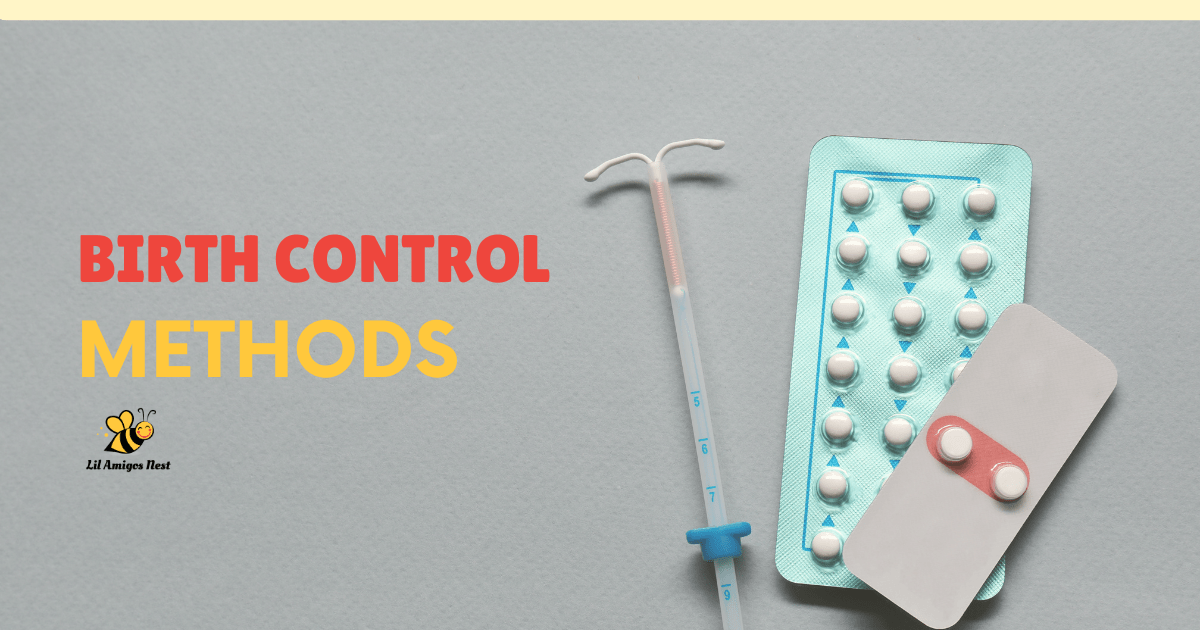
Family planning plays an important role in people’s health, relationships, and future goals. Today, there are many reliable birth control methods that help individuals decide when or if they want to have children. Understanding the different types of birth control allows people to choose the method that suits their lifestyle, health condition, and long-term plans.
Some birth control options prevent pregnancy temporarily, while others offer long-term or permanent solutions. From natural tracking techniques to hormonal pills and even the surgical method of birth control, each option works differently. Learning about these methods, along with helpful pregnancy tips and knowing when to take a pregnancy test, can help individuals make informed decisions about reproductive health.
In this guide, we will explore the major types of birth control, how they work, their effectiveness, and which methods may work best depending on different situations.
Why Birth Control Matters
Birth control is not only about preventing pregnancy. It also helps people plan families, manage health conditions, and maintain better control over their reproductive choices. Many individuals use birth control to:
- Delay pregnancy until the right time
- Space children safely between pregnancies
- Avoid unplanned pregnancies
- Manage hormonal or menstrual health issues
- Improve overall reproductive health
With modern medicine and improved awareness, people now have access to safer and more effective birth control options than ever before.
Main Types of Birth Control
Birth control can generally be divided into several categories based on how they work. The main groups include:
- Natural birth control methods
- Barrier methods
- Hormonal methods
- Intrauterine devices (IUDs)
- Chemical methods
- Surgical methods
Each category offers different levels of protection and convenience.
1. Natural Birth Control Methods
Natural birth control methods rely on understanding the body’s fertility cycle. Instead of medications or devices, these methods involve tracking ovulation and avoiding intercourse during fertile days.
Common Natural Methods
- Calendar method
- Basal body temperature tracking
- Cervical mucus observation
- Withdrawal method
How It Works
Women track their menstrual cycles to identify fertile days when pregnancy is more likely. By avoiding intercourse during these days, couples can reduce the chances of conception.
Effectiveness
Natural methods can be effective when followed carefully, but they require discipline and accurate tracking. Mistakes in tracking or irregular cycles can reduce effectiveness.
Best For
- Couples comfortable with cycle tracking
- People who prefer hormone-free methods
- Those planning pregnancy in the near future
2. Barrier Birth Control Methods
Barrier methods prevent sperm from reaching the egg. They physically block the sperm from entering the uterus.
Common Barrier Methods
- Male condoms
- Female condoms
- Diaphragm
- Cervical cap
- Contraceptive sponge
Advantages
- Easy to use
- No hormones involved
- Protection against sexually transmitted infections (STIs)
- Available without prescription
Among all barrier options, condoms remain one of the most widely used birth control methods worldwide.
3. Hormonal Birth Control Methods
Hormonal contraception works by altering hormone levels to prevent ovulation. If ovulation does not occur, pregnancy cannot happen.
Types of Hormonal Birth Control
- Birth control pills
- Hormonal injections
- Birth control patch
- Vaginal ring
- Hormonal implants
How Hormonal Methods Work
Hormones such as estrogen and progesterone stop ovulation, thicken cervical mucus, and make it harder for sperm to reach the egg.
Effectiveness
When used correctly, hormonal birth control can be over 90% effective. However, missing pills or delayed injections can reduce protection.
Additional Benefits
- Regulates menstrual cycles
- Reduces painful periods
- Helps manage hormonal acne
- May reduce risk of certain reproductive diseases
4. Chemical Method of Birth Control
The chemical method of birth control uses substances that stop sperm from reaching or fertilizing an egg. These chemicals usually come in the form of spermicides.
Common Chemical Birth Control Options
- Spermicidal gels
- Foams
- Creams
- Suppositories
- Contraceptive films
How They Work
Spermicides contain chemicals that damage or kill sperm before they can reach the egg. They are often used along with barrier methods like condoms or diaphragms to improve effectiveness.
Advantages
- Easy to access
- Non-hormonal option
- Simple to use
Limitations
When used alone, spermicides are less effective than many other birth control methods. Combining them with barrier methods improves protection.
5. Intrauterine Devices (IUDs)
IUDs are small devices placed inside the uterus by a healthcare professional. They provide long-term protection against pregnancy.
Types of IUDs
- Copper IUD
- Hormonal IUD
How They Work
Copper IUDs create an environment that prevents sperm from fertilizing the egg. Hormonal IUDs release hormones that stop ovulation and thicken cervical mucus.
Effectiveness
IUDs are among the most effective birth control options, with protection lasting between 3 and 10 years depending on the type.
Best For
- People looking for long-term birth control
- Those who prefer low-maintenance solutions
6. Surgical Method of Birth Control
The surgical method of birth control is a permanent solution for individuals who are sure they do not want children in the future. These procedures block or cut reproductive pathways to prevent fertilization.
Common Surgical Procedures
- Tubal ligation (for women)
- Vasectomy (for men)
How They Work
Tubal ligation involves blocking or cutting the fallopian tubes so eggs cannot meet sperm. Vasectomy blocks sperm from entering semen by sealing the tubes that carry sperm.
Effectiveness
Surgical procedures are more than 99% effective and are considered permanent birth control solutions.
Considerations
- Best for individuals who are certain about not having children
- Usually irreversible
- Requires medical consultation
Emergency Birth Control
Emergency contraception is used after unprotected intercourse to prevent pregnancy. These methods work best when used as soon as possible.
Emergency Options
- Emergency contraceptive pills
- Copper IUD inserted within five days
Emergency contraception should not replace regular birth control but can help reduce the risk of pregnancy after contraceptive failure.
When to Take a Pregnancy Test
If someone suspects pregnancy due to missed periods or symptoms like nausea and fatigue, taking a pregnancy test can provide quick answers.
Most home pregnancy tests detect the hormone hCG in urine and can give accurate results after a missed period.
Tips for Accurate Results
- Take the test in the morning when hormone levels are highest
- Follow the instructions carefully
- Repeat the test after a few days if results are unclear
- Consult a doctor to confirm results
Pregnancy Tips for Couples Planning a Baby
While many people focus on preventing pregnancy, others may be planning for it. Understanding fertility and maintaining healthy habits can increase the chances of conception.
Helpful Pregnancy Tips
- Track ovulation cycles
- Maintain a balanced diet
- Reduce stress levels
- Avoid smoking and alcohol
- Consult healthcare professionals for guidance
Proper planning and awareness of reproductive health can improve the chances of a healthy pregnancy.
How to Choose the Best Birth Control Method
The best birth control option varies for every individual. Factors to consider include lifestyle, health conditions, long-term plans, and comfort with different methods.
Questions to Ask Yourself
- Do you want a temporary or permanent solution?
- Are you comfortable using hormones?
- Do you want protection against sexually transmitted infections?
- How important is convenience and long-term protection?
Discussing these factors with a healthcare professional can help identify the most suitable option.
Understanding the various birth control methods available today empowers individuals to take control of their reproductive health. From natural cycle tracking to hormonal options and the surgical method of birth control, each approach offers different benefits and levels of effectiveness.
Exploring the different types of birth control, learning about the chemical method of birth control, and knowing when to take a pregnancy test can help people make informed decisions. Whether someone wants to prevent pregnancy or follow helpful pregnancy tips while planning for a baby, knowledge and awareness remain the most powerful tools for responsible family planning.
Please complete your information below to login.
Sign In
Create New Account