Few things light up a baby's face like the first sound of a baby rattle. That soft shake, that gentle jingle, and that tiny hand reaching out to grab it. Baby rattles are among the first toys your child will ever hold, and they do much more than make noise. They teach your baby how to listen, grip, and explore the world. Choosing the right one matters, so this guide will help you pick with confidence.
Today, parents love wooden rattles for their natural feel and lasting quality. Many also add baby sensory toys and other infant toys to build a playtime routine that grows with the child. If you plan to buy baby rattle online, you will find a huge range, from a single piece to a full baby rattle set. The key is to choose a safe baby rattle that fits your baby's age. Let us walk through everything you need to know.
Why Baby Rattles Matter for Early Development
A rattle looks simple, but it works hard. Every time your baby shakes it, they learn that their own hand can create a sound. This is called cause and effect, and it is one of the first big lessons in a baby's life.
Rattles also help in these ways:
- Hearing skills. Different sounds help your baby tell one noise from another.
- Grip and hand strength. Holding and shaking builds the small muscles needed for feeding and writing later.
- Hand-eye coordination. Following the rattle with their eyes and then reaching for it trains the brain and body to work together.
- Calm and comfort. A gentle sound can soothe a fussy baby and make playtime joyful.
Types of Baby Rattles You Can Choose From
Not all rattles are the same. Knowing the main types makes it easier to pick the right one for your little one.
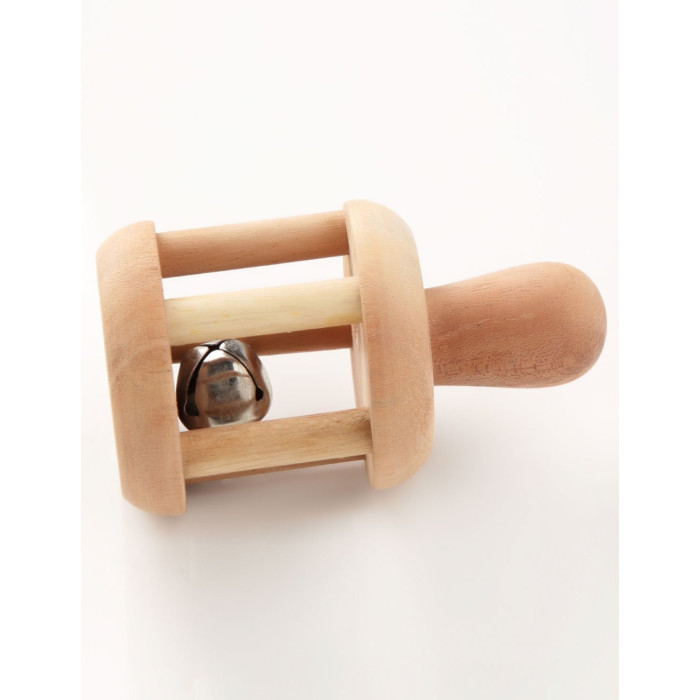
Handheld rattles are the classic style, with a handle small enough for tiny fingers. Soft rattles are made of fabric and are light and gentle, which is great for the youngest babies. Teether rattles mix shaking and chewing, which helps when gums feel sore. Wooden rattles use natural wood and often have bells or beads inside for a warm, soft sound. Each type has its charm, and many parents keep a few of each in the toy basket.
The Charm of Wooden Rattles
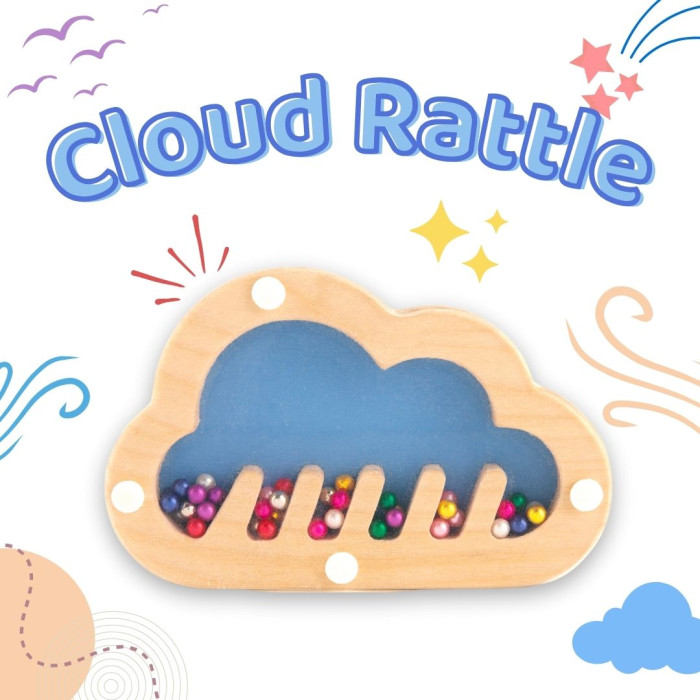
Wooden rattles are a favourite for good reason. They feel smooth, look beautiful, and last for years. Unlike many plastic toys, wood does not crack easily, so a good rattle can even be passed on to a younger sibling.
The sound of wood is also softer and more natural. It is not sharp or loud, which is kinder to a baby's ears. Wooden rattles often come in simple shapes and calm colours, so they look lovely in photos and in your living room. Many parents also like that natural materials feel closer to nature and bring a sense of calm to play.
How Baby Sensory Toys Support Growth
Babies learn through their senses. They touch, shake, mouth, look, and listen to understand how things work. That is why baby sensory toys are so helpful. They give your child a mix of textures, sounds, shapes, and colours to explore.
A rattle is often the first sensory toy, but it does not have to be the only one. Soft balls, crinkle books, stacking pieces, and musical shakers all add new feelings and sounds. When your baby plays with different items, their brain makes new connections every day. Playtime becomes learning time without any pressure.
Infant Toys by Age: What to Offer and When
Babies grow fast, and their toy needs change just as quickly. Here is a simple age guide.
- 0 to 3 months: At this stage, babies mostly look and listen. Hold a soft rattle nearby and shake it gently so they can follow the sound.
- 3 to 6 months: Hands start to open and grab. This is the perfect time for a light handheld rattle or a wooden rattle with an easy grip.
- 6 to 9 months: Babies begin to sit, bang, and pass toys between hands. Shakers and musical toys become big favourites.
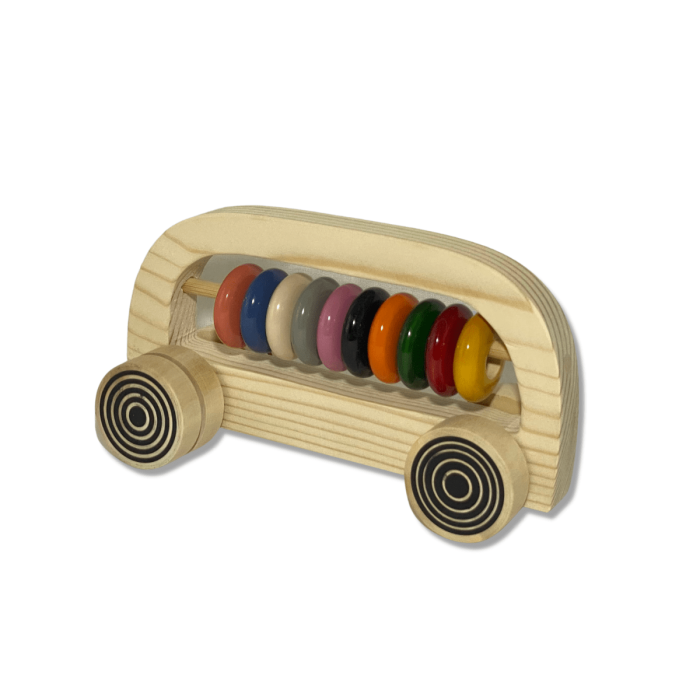
- 9 to 12 months: Little ones start to crawl and pull toys along. Push and pull wooden toys add fun and encourage movement.
Always watch your baby during play and pick infant toys that match their stage, not just their age on the box.
How to Pick a Safe Baby Rattle
Safety comes first, always. A safe baby rattle should pass a few simple checks before you hand it to your child.
- Right size. The rattle should be too big to fit fully in your baby's mouth. A good rule is that no part should fit through a toilet paper roll tube.
- Light weight. Babies often hit themselves with rattles by mistake, so a heavy one is a poor choice.
- Smooth finish. Run your hand over the toy. There should be no splinters, sharp edges, or rough spots.
- Strong build. Beads, bells, and parts must be sealed in tightly and never come loose.
- Safe materials. Look for non-toxic paints and finishes, since babies put almost everything in their mouths.
- Clear age label. Always read the age guidance from the maker.
Check toys often for wear and tear. If a toy cracks or a part loosens, stop using it right away.
Why a Baby Rattle Set Is a Smart Choice
A single rattle is lovely, but a baby rattle set gives you more value and more variety. Different shapes, sounds, and textures keep your baby curious for longer. A set also makes a thoughtful gift for baby showers and birthdays, because it covers more than one stage of play.
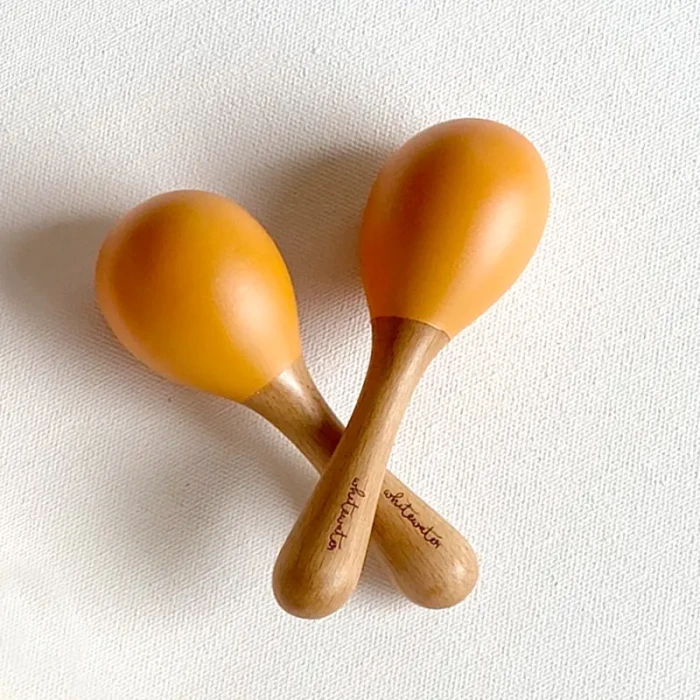
Musical sets such as wooden maracas are especially fun. They add rhythm to playtime and help your baby learn that shaking in different ways makes different sounds. As your child grows, the same toys can turn into simple musical play with the whole family.
Tips to Buy Baby Rattle Online with Confidence
Shopping from home is easy and saves precious time, especially when you are busy with a newborn. Still, a few smart habits will help you buy baby rattle online without worry.
- Read the product details. Check the material, size, weight, and age range.
- Look at clear photos. Good images show the finish, shape, and real size of the toy.
- Choose a trusted store. Pick sellers that focus on baby products and share safety information openly.
- Check the return policy. It is useful if the toy is not what you expected.
- Compare options. Look at a few rattles before you decide, and match them to your baby's age.
How to Clean and Care for Your Baby's Toys
Toys go straight into your baby's mouth, so clean them often. For wooden toys, wipe them with a soft cloth that is slightly damp and let them dry fully. Do not soak wood in water, because it can swell or crack. Fabric rattles can usually be hand washed with mild soap, and plastic ones can be wiped down with warm water. Store toys in a dry basket away from direct sun so they stay fresh and strong.
Frequently Asked Questions About Baby Rattles
At what age can a baby start using a rattle?
Babies can enjoy the sound of a rattle from the early weeks when you shake it nearby. They usually begin to hold one on their own at around three to four months.
Are wooden rattles safe for babies?
Yes, when they are well made. Choose a rattle with a smooth finish, tightly fixed parts, and non-toxic paint, and always follow the age guidance.
How many rattles does a baby need?
Two or three are plenty to start. A mix of soft, wooden, and teether styles gives your baby different textures and sounds.
Are baby sensory toys really useful?
Yes. They help babies build hearing, touch, and movement skills through play, which supports healthy early growth.
How do I clean a wooden rattle?
Wipe it with a slightly damp soft cloth and dry it right away. Avoid soaking it in water.
The right rattle can turn ordinary moments into happy memories, and now you know exactly what to look for. Pick toys that are safe, simple, and suited to your baby's age, and you will see those little hands grow stronger and those big eyes grow brighter with every shake.
The information below is required for social login
Sign In
Create New Account