














Dussehra Stories for Kids 2026
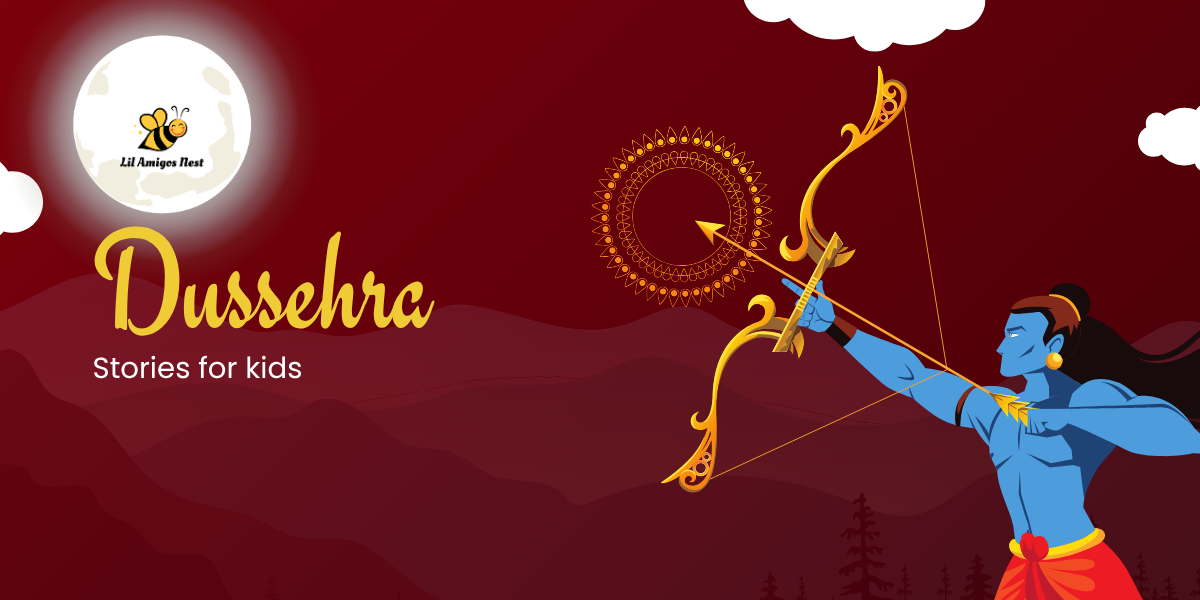
Every year, children across India wait for Dussehra with excitement, and telling them a good dussehra story is one of the best ways to explain why this festival matters so much. If you are searching for dussehra stories for kids that are simple, fun, and easy to follow, you have landed on the right page. This blog brings you the most loved dussehra story in english, written in plain words so that even young readers can understand it without any confusion.
Dussehra 2026 is coming soon, and before the festival begins, most parents and teachers start looking for dussehra stories that keep children engaged while quietly teaching them something meaningful. Understanding why dussehra is celebrated becomes much easier once kids hear these tales directly, because a story always stays in the memory longer than a plain fact. These hindu mythology stories are not just religious tales. They are lessons about courage, honesty, and the victory of good over evil, told in a way that children genuinely enjoy.
Why Dussehra Is Celebrated: A Simple Explanation for Kids
Dussehra, also called Vijayadashami, falls on the tenth day after Navratri. In 2026, Dussehra will be celebrated on Tuesday, October 20. The festival marks the day good wins over evil, and this idea comes from two famous legends. The first is the story of Lord Rama defeating the demon king Ravana. The second is the story of Goddess Durga defeating the powerful demon Mahishasura. Both stories end the same way: the side that stands for truth and goodness comes out victorious.
Children love this festival because it comes with fireworks, giant effigies, colourful fairs, and family gatherings. But behind all the fun, there is a simple message waiting to be shared. Every person faces small battles between right and wrong in daily life, and Dussehra reminds us that choosing what is right always leads to a happy ending. This is exactly why telling these stories to kids matters so much every single year.
The Story of Lord Rama, Sita and Ravana
Long ago, there lived a prince named Rama in the kingdom of Ayodhya. He was kind, brave, and always did the right thing. Rama was sent to the forest for fourteen years along with his wife Sita and his brother Lakshmana, because of a promise his father had made. Life in the forest was peaceful until a demon king named Ravana, who ruled the island of Lanka, saw Sita and decided to take her away by force.
Ravana tricked Rama and Lakshmana and secretly kidnapped Sita, carrying her to Lanka in his flying chariot. Rama was heartbroken, but he did not lose hope. He set out to find her with Lakshmana by his side. On the way, they met a devoted friend named Hanuman, who had incredible strength and unmatched loyalty. Hanuman helped Rama gather an army of brave warriors known as the Vanara Sena to cross the ocean and reach Lanka.
What followed was a long and difficult battle. Ravana was no ordinary demon. He had ten heads and great magical powers, which made him seem impossible to defeat. But Rama did not give up. After days of fierce fighting, Rama finally shot an arrow that ended Ravana's reign. Sita was rescued, and Rama returned home to Ayodhya as a hero. This victory of good over evil is remembered every year on Dussehra, and it remains the most popular dussehra story told to children across the country.
The Story of Goddess Durga and the Demon Mahishasura
Another beautiful tale connected to this festival is about a fierce and powerful demon named Mahishasura. He had received a special blessing that made him almost impossible to defeat, and he used this power to trouble the heavens and the earth. Neither gods nor men could stop him, and everyone was worried about how to bring peace back to the world.
To solve this problem, the gods combined their powers and created a warrior goddess named Durga. She was given weapons by each god, and she rode into battle on a lion. For nine long nights, Durga fought Mahishasura, and this battle is remembered today during Navratri. On the tenth day, Durga finally defeated the demon, restoring peace and balance to the world. That tenth day of victory is celebrated as Dussehra, and it is one of the most cherished dussehra stories shared with children, especially in eastern India during Durga Puja.
The Pandavas and the Shami Tree
Not many people know this story, but it is one of the interesting hindu mythology stories connected to Dussehra. During their exile, the five Pandava brothers had to spend one year in disguise so that nobody could recognise them. Before beginning this hidden year, they wrapped their weapons carefully and hid them inside a Shami tree, since carrying weapons openly would have exposed their identity.
They lived quietly through the year, working under different names, and stayed patient despite many challenges. When the year finally ended, the Pandavas returned to the Shami tree and took their weapons back, ready to face the battle of Kurukshetra ahead. This moment of taking back their weapons is believed to have happened on Vijayadashami, which is why the Shami tree is worshipped by many families even today. It is a gentle reminder that patience during hard times is always rewarded in the end.
What Ravan Dahan Means and Why It Happens
On the evening of Dussehra, huge effigies of Ravana, along with his brother Kumbhakarna and son Meghnad, are set up in open grounds and burned in front of large crowds. This tradition is called Ravan Dahan, and it is one of the most exciting parts of the festival for children. The loud cheers, the fireworks inside the effigies, and the glowing fire make it a memorable sight every year.
The burning of Ravana is symbolic rather than literal. His ten heads are often explained to represent ten human weaknesses, such as anger, greed, jealousy, and pride. By burning the effigy, people are reminded to let go of these negative qualities within themselves. Explaining this symbolism to kids in simple words helps them understand that the story is really about choosing goodness over bad habits, not just about a battle that happened long ago.
Fun and Easy Dussehra Facts for Kids
Along with the main dussehra story, children also enjoy quick and interesting facts about the festival. Here are a few simple ones worth sharing:
- Dussehra is also known as Vijayadashami, meaning the victory of the tenth day.
- Dussehra 2026 falls on Tuesday, October 20.
- The festival comes right after the nine nights of Navratri.
- Mysuru in Karnataka holds one of the grandest Dussehra celebrations in the country, known as Mysuru Dasara.
- In Himachal Pradesh, the Kullu Dussehra is famous for its week-long fair and colourful processions.
- In many northern states, the story of Ramayana is acted out in plays called Ramlila before Dussehra arrives.
- In West Bengal, Dussehra marks the final day of Durga Puja, when the idol of Goddess Durga is immersed in water.
How Different Parts of India Celebrate Dussehra
One of the best things about Dussehra is how differently it is celebrated across India, even though the message stays the same everywhere. In North India, towns and cities organise Ramlila performances for several days, where local artists act out scenes from Rama's life, ending with the burning of Ravana's effigy on Dussehra evening.
In Karnataka, the city of Mysuru turns into a spectacle of lights and decorated elephants during Mysuru Dasara, drawing visitors from around the world. In West Bengal, the festival is closely tied to Durga Puja, with beautifully decorated pandals and processions leading up to the idol immersion. In Himachal Pradesh, Kullu hosts a week-long fair right after Dussehra, filled with music, dance, and local traditions. Sharing these regional differences with kids helps them see how one festival can bring so many communities together in their own unique way.
Simple Ways to Teach Kids About Dussehra Stories
Telling a dussehra story does not have to feel like a lesson. Kids respond best when learning feels like play. Here are a few easy ways to make these stories come alive at home or in the classroom:
- Read the story aloud in a simple dussehra story in english, using expressions and different voices for characters like Rama, Ravana, and Hanuman.
- Let kids draw their favourite scene, such as the battle or Ravana's effigy being burned.
- Encourage children to act out short parts of the story with friends or siblings.
- Watch a local Ramlila performance together if one is happening nearby.
- Ask kids what lesson they learned from the story in their own words, rather than simply telling them the answer.
These small activities help children remember the story far better than simply reading it once and moving on.
Frequently Asked Questions About Dussehra Stories for Kids
What is the most common dussehra story told to children?
The most common one is the story of Lord Rama defeating Ravana to rescue his wife Sita. It is simple, dramatic, and easy for kids to follow.
Why is Dussehra also linked to Goddess Durga?
Because on the same day, Goddess Durga is believed to have defeated the demon Mahishasura after a nine-night battle, marking the end of Navratri.
When is Dussehra in 2026?
Dussehra 2026 falls on Tuesday, October 20.
Why do people burn Ravana's effigy on Dussehra?
Burning the effigy symbolises the destruction of evil qualities like anger, pride, and greed, reminding people to choose goodness instead.
Are there other hindu mythology stories connected to Dussehra?
Yes, the story of the Pandavas retrieving their hidden weapons from the Shami tree before the Kurukshetra war is also linked to this day.
Dussehra is far more than fireworks and fairs. It carries stories that have been passed down for generations, each one teaching children that goodness, patience, and courage always find their way to victory. As Dussehra 2026 approaches on October 20, take a little time to sit with your kids, share these tales in your own words, and let them ask questions along the way. A story told with warmth stays with a child for life, and that is exactly what makes Dussehra so special every single year.


-
Dussehra Stories for Kids 2026
September 3, 2026
-
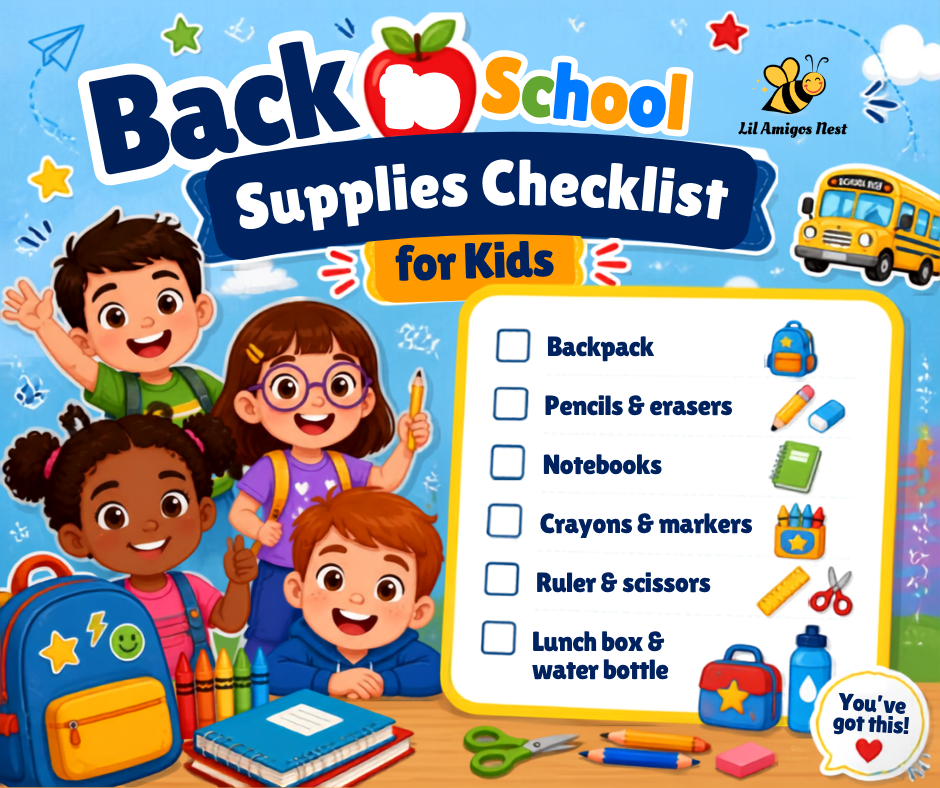
Back to School Supplies Checklist for Kids 2026
 September 3, 2026
 -
80+ Happy dussehra wishes in Hindi and English (Dussehra 2026)
 September 2, 2026
 -
Premium Playhouse India: Top 10 Options for Kids
 September 2, 2026
 -
Buy Toy Cars, Toy Bikes & Vehicle Toys Online for Kids
 September 1, 2026
Please complete your information below to login.
Sign In
Create New Account