









Engaging and Educational Games and Toys for Kids

Play is how children learn. When you choose educational toys for kids and fun learning games, you give them chances to explore, solve problems, and build confidence. Engaging games spark curiosity. Toys for kids that combine play and learning keep attention longer and make lessons stick.
In the first months and years, simple interactions teach more than long study sessions. That is why educational toys for 2-year-olds and sensory development toys are so important. These toys support early milestones like language, movement, and social skills. They also lay the foundation for future learning with easy, joyful practice.
Why educational play matters
Children learn best when they are interested. Engaging games turn practice into pleasure. Learning games help children repeat useful skills without boredom. Toys for kids that encourage experimenting, creating, and problem solving develop thinking and resilience.
Key benefits of learning through play:
- Stronger brain connections. Hands-on play builds neural pathways for math, language, and memory.
- Better social skills. Many games teach sharing, taking turns, and reading emotions.
- Improved motor skills. Manipulative toys help with hand-eye coordination and control.
- Early STEM readiness. Simple counting, sorting, and pattern games prepare children for future STEM learning.
How to choose the right toys: simple rules
Picking the right toy does not need to be complicated. Keep these rules in mind:
- Age-appropriate: Check the suggested age and match it to your child’s stage. For example, educational toys for 2-year-olds should be large, durable, and easy to hold.
- Open-ended play: Choose toys that can be used in more than one way. Blocks, art materials, and loose parts last longer and spark creativity.
- Safety first: Look for non-toxic materials, no small parts for young children, and sturdy construction.
- Social value: Pick toys that invite family or group play to boost language and social skills.
- Balance: Mix quiet solo toys with active, social, and outdoor play options.
Best categories of toys and games (with examples)
1. Blocks and building sets (classic and STEM)
Blocks are simple but powerful. They teach balance, symmetry, measurement, and early engineering. Many STEM toys start with stacking and connecting pieces. For preschoolers, chunky blocks and large building pegs are best. For older kids, look for sets that include gears, pulleys, or coding starters.
Suggested play: Set a challenge to build a bridge that holds a toy car. Turn it into a mini engineering task.
2. Puzzles and matching games (learning games)
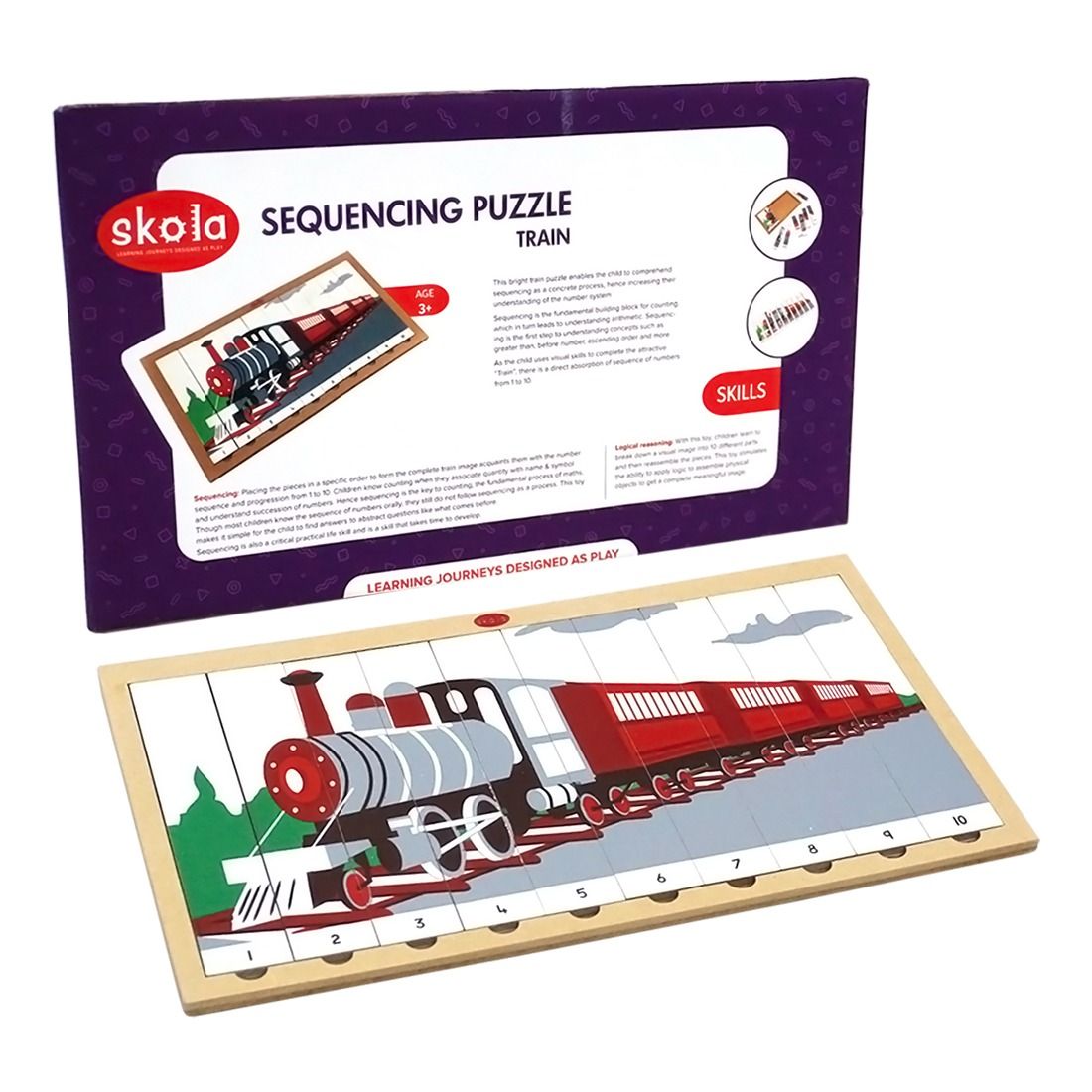
Puzzles improve spatial reasoning and concentration. Matching games help with memory and vocabulary. For toddlers, use shape sorters and knob puzzles. For older kids, jigsaw puzzles and pattern-matching games add complexity.
Suggested play: Use a timer to make a friendly race. Or have children explain their strategy to a sibling or adult to build language skills.
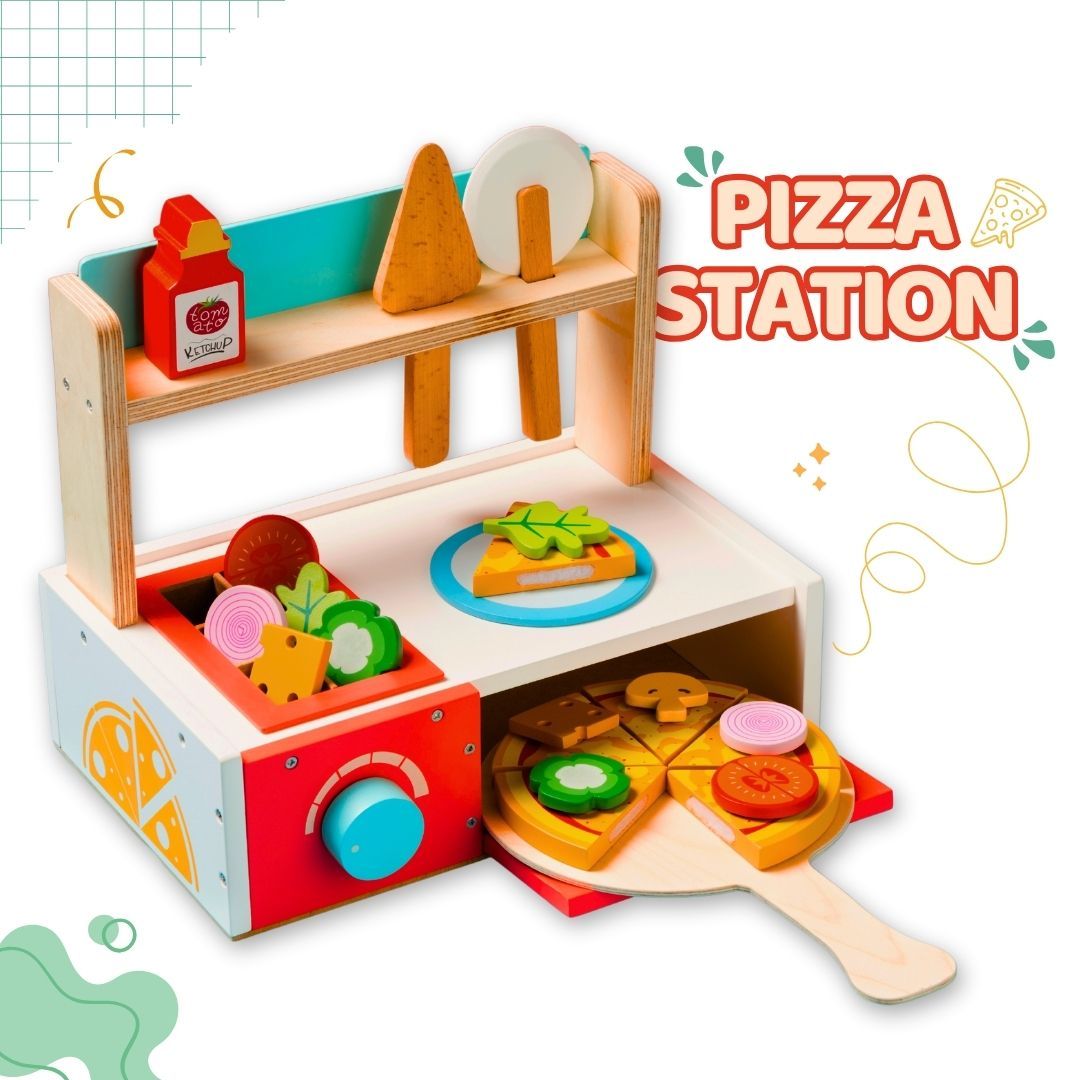
3. Role-play and pretend play toys
Dolls, play kitchens, and dress-up costumes help children act out daily life. These toys build imagination and social understanding. Role play also supports emotional development and language practice.
Suggested play: Create a mini market or restaurant. Ask your child to take orders, count play money, and pack items—this adds basic math and communication practice.
4. STEM toys and kits
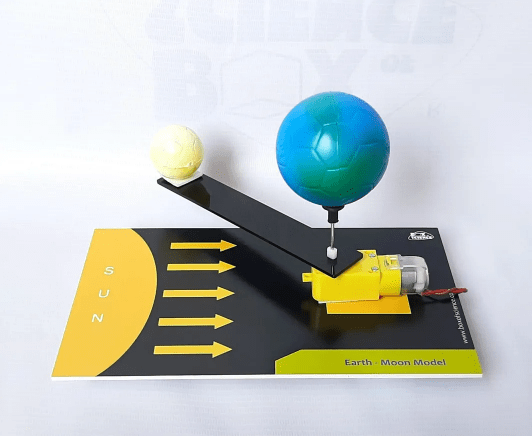
STEM toys teach science, technology, engineering, and math with hands-on fun. Look for age-appropriate STEM toys that introduce simple experiments, coding blocks, robots, or building sets with instructional challenges.
Suggested play: Small coding toys with block-based commands help kids learn sequencing and logic. Older children can try simple engineering kits that show cause and effect.
5. Sensory development toys
Sensory development toys are excellent for very young children and kids who need extra sensory input. These include textured balls, sensory bins filled with rice or water beads, squishy toys, and activity mats. They help toddlers explore touch, sound, and movement.
Suggested play: Create a sensory bin with safe materials and hidden toys to find. Ask children to describe textures and temperatures to encourage language.

6. Board games and cooperative games (engaging games)
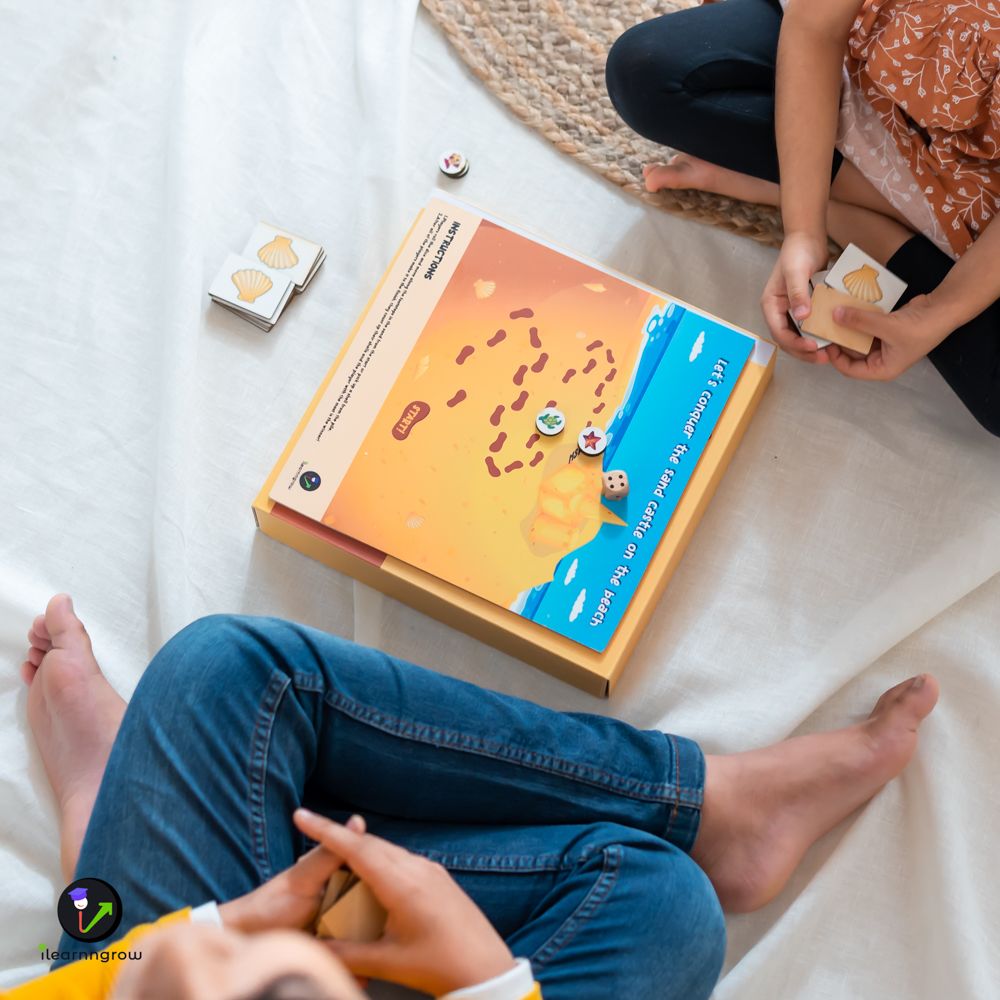
Board games teach rules, strategy, and sportsmanship. Cooperative games where players work together are great for building team skills and emotional regulation. Choose simple rules for young players and increase complexity with age.
Suggested play: Start with turn-taking games for preschoolers. For older kids, try games that require planning, counting, or storytelling.
7. Creative and art supplies
Art materials support fine motor skills, decision-making, and self-expression. Keep a basic supply of crayons, paper, scissors, glue, and safe paints. Open-ended art invites experimentation and reduces performance pressure.
Suggested play: Set a theme, like "build your dream park," and let children draw, cut, and paste their ideas.
Toy picks by age group (practical guide)
Babies (0–12 months)
- Soft sensory toys and activity gyms
- High-contrast books and simple rattles
- Tummy-time mats with mirrors
Toddlers (1–3 years) — include educational toys for 2-year-olds
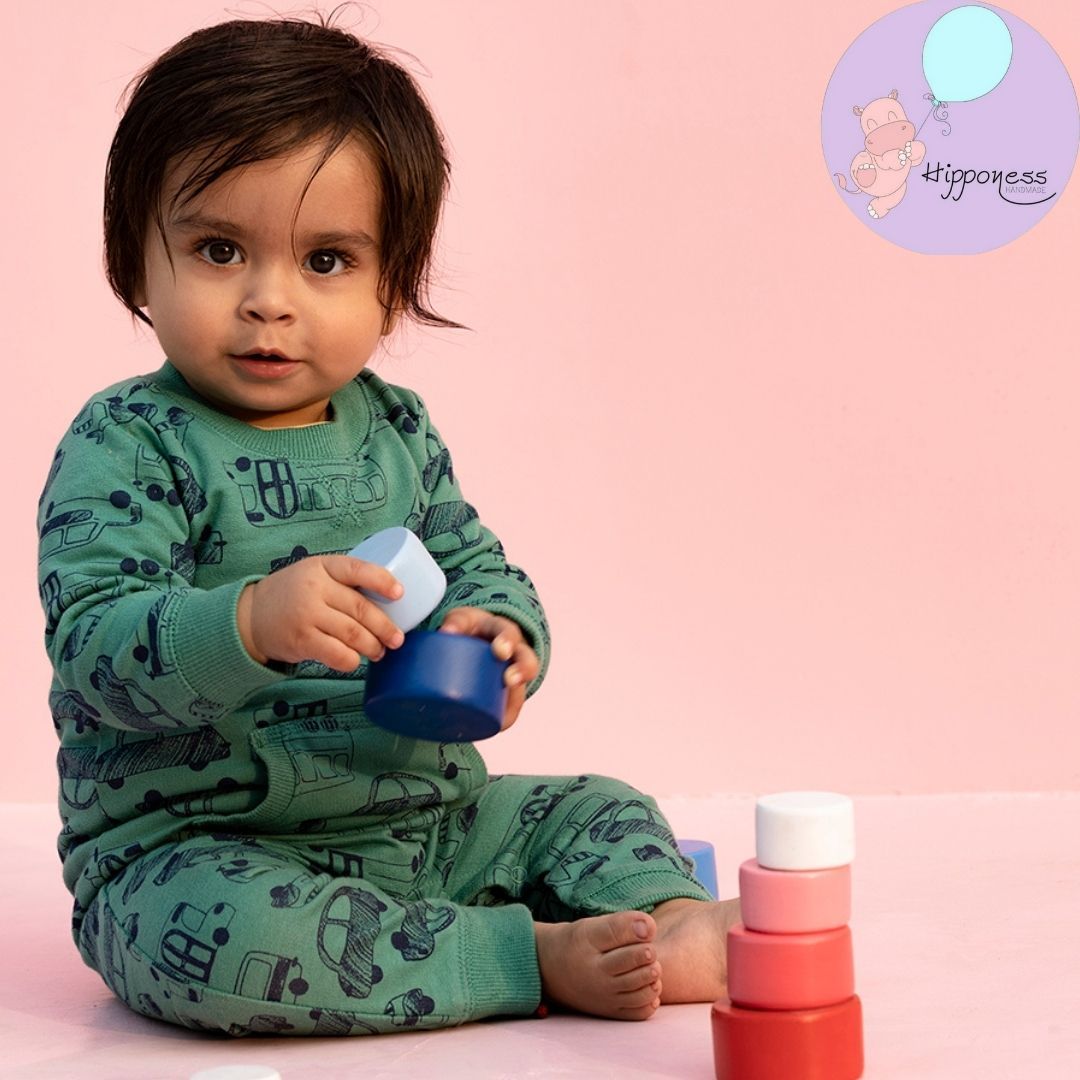
- Stacking cups and chunky building blocks
- Shape sorters and peg puzzles
- Simple ride-on toys and push-pull toys
- Sensory development toys, like textured balls and soft sensory boards
For toddlers, choose toys that encourage crawling, grabbing, and exploring. Educational toys for 2-year-olds should be safe, intuitive, and invite repetition.
Preschool (3–5 years)
- Pretend-play sets (kitchen, doctor kit) and dress-up
- Puzzles with more pieces and simple board games
- Beginner STEM kits with snap-in parts
- Art supplies for cutting and gluing
School-age (6+ years)
- Advanced building sets and robotics kits
- Strategy board games and science experiment sets
- Reading-based games and coding toys
How to make play more educational (without forcing it)
- Follow the child’s lead. Watch what excites them and build on that interest.
- Ask open questions. Instead of telling, ask “What if we tried…?” or “How could we fix that?”
- Add small challenges. Turn play into a mini-problem to solve, like building a taller tower or sorting by color.
- Celebrate effort, not just results. Praise the process: “You kept trying—great!”
- Use everyday moments. Grocery shopping, cooking, and bath time are full of learning chances.
Screen time and digital learning games
Digital learning games can be helpful when chosen carefully. Look for apps and games that are interactive, educational, and short. Prefer activities that invite parent-child interaction rather than solo passive watching.
Tip: Use screen time as a supplement to hands-on play, not a replacement. A short video about counting can be followed by a counting game with toys.
DIY and budget-friendly options
You do not need expensive toys to support learning. Many DIY ideas work well:
- Cardboard blocks: Cut and decorate boxes to build a city.
- Homemade matching cards: Use old magazines to make picture pairs.
- Nature scavenger hunt: Collect leaves, stones, and twigs to sort by size or color.
- Sensory bins: Fill a bin with rice, pasta, or water for tactile play.
- These simple projects teach creativity, recycling, and problem-solving.
Rotating toys and creating a play-friendly space
Rotate toys to keep them fresh. Keep a small selection out and store the rest. This helps children focus and makes each toy feel new when it returns. Make a play space that is safe, tidy, and inviting. Have a clear spot for messy play and a calm corner for reading or puzzles.
Safety, quality, and sustainability
Choose toys with non-toxic finishes and certifications when possible. Read age labels to avoid choking hazards. Consider the toy’s build quality; well-made toys often last longer and can be passed to siblings. Sustainable options: look for wooden toys, recyclable packaging, and brands that commit to ethical production. Second-hand stores often have quality toys at a lower cost.
How to involve caregivers and teachers
Learning works best when adults join in. Caregivers and teachers can:
- Model play and curiosity.
- Turn questions back to the child to encourage thinking.
- Share simple instructions and let the child lead.
- Use toys to support classroom lessons or home routines.
When adults play with children, language and social skills grow faster.
Sample weekly play plan (easy to follow)
Monday: Blocks and building challenge — focus on balance and counting.
Tuesday: Sensory bin exploration — discuss textures and vocabulary.
Wednesday: Role-play day — set up a shop or kitchen.
Thursday: STEM tinker time — simple coding toy or building kit.
Friday: Puzzle race and matching games — memory and focus practice.
Saturday: Outdoor play — scavenger hunt and nature art.
Sunday: Family board game — cooperative play and conversation.
This plan mixes sensory development toys, educational toys for 2-year-olds, STEM toys, and learning games across the week.
Frequently asked questions
Q: How many toys are too many?
A: Fewer toys are often better. A small, thoughtful selection encourages deeper play.
Q: Are expensive STEM toys worth it?
A: Not always. Costly toys can be great, but many affordable sets teach the same skills. Focus on how a toy is used, not just its price.
Q: What if my child loses interest?
A: Rotate toys, change the play setting, or add new small challenges. Sometimes, a simple rule change can make a toy exciting again.
Play should be joyful, not a lesson in disguise. By selecting engaging games and educational toys that match your child’s age and interests, you create a rich learning environment. Use sensory development toys for early exploration, include learning games for memory and thinking, and introduce STEM toys to spark curiosity about how things work.
A confident approach is to observe, join, and gently guide. When adults celebrate effort and curiosity, children learn to love learning itself. That is the greatest gift a toy can give.


-
Heartwarming Happy Navratri Wishes, Status and Messages
 September 28, 2026
 -
School Supplies Checklist for Kindergarten in India
 September 28, 2026
 -
Buy Silver Jewellery for Kids: Sterling Silver Earrings and More
 September 26, 2026
 -
Best Study Table for Kids in India: A Complete Buying Guide
 September 26, 2026
 -
Buy Cute Crochet Toys Online at Best Prices
 September 25, 2026
Please complete your information below to login.
Sign In
Create New Account