






How to Protect Your Children from Social Media
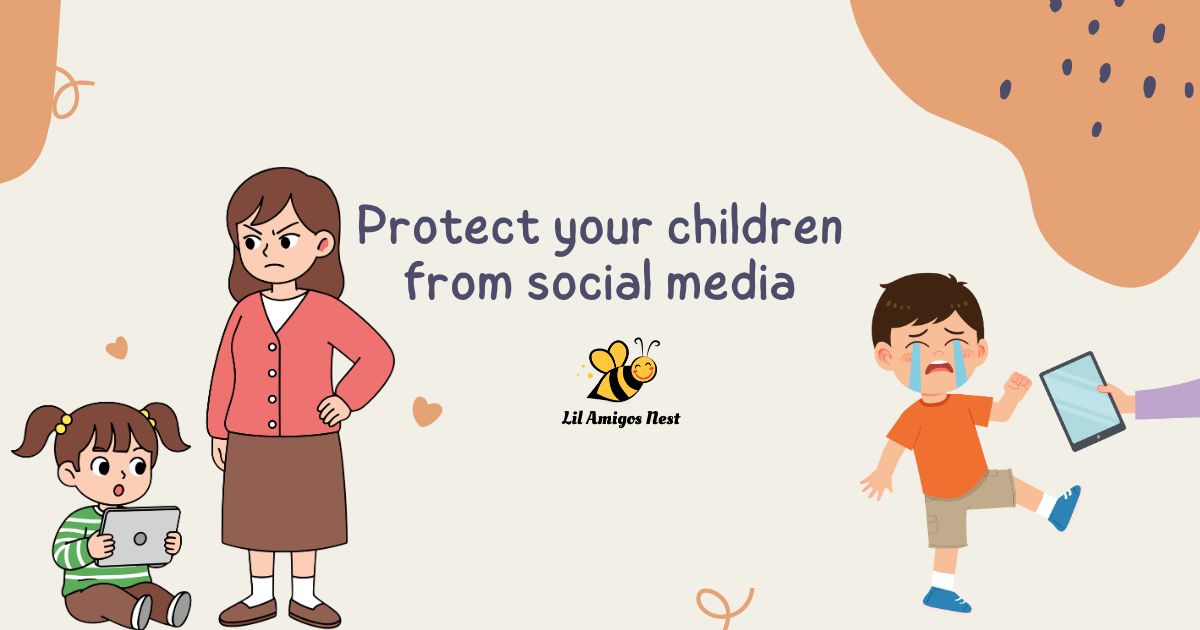
Raising children in today’s digital world is not easy. Screens are everywhere. Social platforms are part of daily life. As parents, we constantly search for strong and practical parenting tips that help us guide our children safely. When it comes to social media safety, we cannot ignore the risks. At the same time, we cannot completely shut the door on technology. The goal is balance, awareness, and protection.
Many parents depend on tools like a parent portal or different parental control apps to monitor activity. These tools are helpful, but real child safety goes beyond software. Protecting children from social media requires open communication, trust, clear rules, and steady guidance. Social media safety is not about fear. It is about preparing our children to make wise choices even when we are not around.
Why Social Media Can Be Risky for Children
Social media connects people across the world. It allows children to learn, create, and express themselves. But it also exposes them to risks they may not understand yet.
- Cyberbullying
- Online predators
- Inappropriate content
- Peer pressure
- Addiction and screen dependency
- Privacy risks
Children are still developing emotionally. A harsh comment, public embarrassment, or comparison with others can deeply affect their confidence. Many children do not talk openly about what they experience online. That is why parents must stay alert and involved.
Start with Open Communication
The strongest protection is not an app. It is trust.
Make your home a safe space for conversations. Ask your child what platforms they use. Ask what they like about them. Listen without judging. When children feel heard, they are more likely to share problems.
Instead of saying, “Social media is dangerous,” try saying, “Let’s learn how to use it safely.” This small shift makes a big difference.
Encourage your child to:
- Tell you if someone makes them uncomfortable
- Report bullying immediately
- Ask before sharing personal information
- Think before posting anything online
Remind them that once something is posted, it can stay online forever.
Set Clear Digital Rules at Home
Children need boundaries. Clear rules reduce confusion and arguments.
You can create family digital rules such as:
- No phones during meals
- No devices before bedtime
- Parents must approve new apps
- Social media allowed only after a certain age
- Passwords shared with parents (for younger children)
Explain why these rules exist. When children understand the reason, they are more cooperative.
Consistency is important. If rules change daily, children stop taking them seriously.
Use Parental Control Tools Wisely
Technology can support your parenting. Use parental control features available on devices and apps. Many schools also provide access to a parent portal where you can monitor assignments, online activity, and communication.
Parental control tools can help you:
- Limit screen time
- Block harmful websites
- Monitor app downloads
- Track online activity
- Set content filters
However, do not rely only on these tools. Children are smart. They often learn ways to bypass restrictions. That is why guidance and conversation must always come first.
Teach Children About Privacy
Many children do not understand how valuable personal information is.
Teach them never to share:
- Home address
- School name publicly
- Phone numbers
- Passwords
- Private photos
Show them how to adjust privacy settings on social media accounts. Keep profiles private, especially for younger users. Explain that not everyone online is who they claim to be.
This simple lesson can prevent serious risks.
Delay Social Media for Younger Kids
Not every child needs social media at a young age.
Many platforms have minimum age requirements for a reason. Emotional maturity matters more than peer pressure. If your child says, “Everyone in my class has it,” do not feel forced to say yes.
Sometimes protecting your child means saying no. And that is okay.
Monitor Without Spying
There is a difference between guidance and spying.
Be transparent. Let your child know you may occasionally review their accounts. This should not feel like punishment. It should feel like protection.
For younger children, device access can remain in shared spaces like the living room. For teenagers, balance privacy with safety. Respect builds cooperation.
Watch for Warning Signs
Sometimes children do not directly tell us something is wrong. Watch for signs such as:
- Sudden mood changes
- Isolation from family
- Secretive behavior about devices
- Loss of interest in hobbies
- Anxiety after using social media
If you notice these changes, talk gently. Ask open questions. Avoid accusations.
Say, “I’ve noticed you seem upset lately. Is everything okay online?”
Encourage Real-World Connections
Children who have strong real-world relationships are less dependent on online validation.
Encourage:
- Outdoor play
- Sports
- Reading
- Family activities
- Creative hobbies
When children feel fulfilled offline, social media becomes a tool, not a necessity.
Be a Role Model
Children learn more from what we do than what we say.
If we are constantly on our phones, they will copy us. Show healthy screen habits. Put your phone away during family time. Demonstrate respectful online behavior.
Model the digital behavior you expect from them.
Teach Critical Thinking
Not everything online is true.
Teach your child to question what they see. Explain fake news, edited photos, and unrealistic standards. Help them understand that social media often shows highlights, not real life.
This protects their self-esteem and mental health.
Create a Family Digital Agreement
Instead of forcing rules, create a written family agreement together. Include:
- Screen time limits
- Consequences for misuse
- Privacy expectations
- Online behavior standards
When children help create the rules, they feel responsible for following them.
Build Emotional Strength
True child safety is not only about blocking danger. It is about building strength.
Teach your child:
- Self-confidence
- Kindness
- Empathy
- Respect
- Self-control
A confident child is less likely to seek approval from strangers online. An emotionally strong child can handle negative comments better.
Keep Learning as a Parent
Social media platforms change fast. New apps appear every year.
Stay informed. Learn about trending platforms. Understand how they work. Join parent communities. Use trusted school resources or a parent portal to stay updated.
Parenting in the digital age requires continuous learning.
When to Seek Professional Help
If your child experiences serious cyberbullying, harassment, or emotional distress, do not handle it alone.
Reach out to:
- School authorities
- Online platform support teams
- Counselors or therapists
Protecting your child’s mental health is always the top priority.
Protecting children from social media is not about controlling every click. It is about guiding them with wisdom and love.
Use parenting tips that focus on connection. Use parental control tools wisely. Use a parent portal when helpful. But most importantly, build trust.
Social media safety begins at home. When children feel secure, valued, and understood, they make better choices. They learn responsibility. They grow stronger.
Our job as parents is not to remove every risk. It is to prepare our children to face the world with confidence and courage.
And that preparation starts today.
Please complete your information below to login.
Sign In
Create New Account