











Types of Educational and Learning Toys and Games
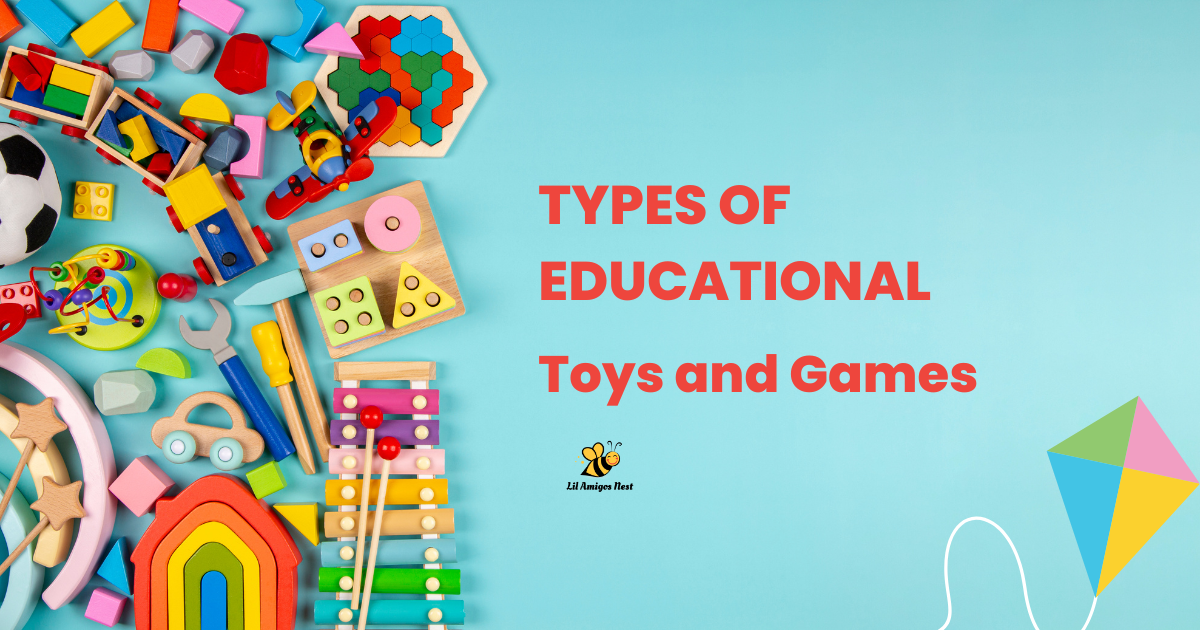
In today’s fast-changing world, play is no longer just about fun. It has become one of the most powerful tools for learning and development. Educational toys and learning games help children explore new ideas, build skills, and understand the world around them while enjoying the process. From early childhood to school-going years, the right learning toys can shape curiosity, creativity, and confidence in a child.
Parents today are more aware of how educational toys, STEM toys, and brain development toys support overall growth. Different types of educational toys focus on problem-solving, sensory exploration, logical thinking, language skills, and emotional development. Toys for sensory development, learning games, and hands-on activities encourage children to think, ask questions, and learn independently. Choosing the right toys at the right age can make learning natural, enjoyable, and effective.
Why Educational and Learning Toys Matter
Children learn best when they are actively involved. Educational toys turn learning into play, helping children understand concepts without pressure. Unlike passive screen time, learning toys engage the mind and body together.
Some key benefits include:
- Improved concentration and attention span
- Better problem-solving and logical thinking
- Stronger memory and reasoning skills
- Emotional and social development
- Increased confidence and independence
Learning games also help children learn how to follow rules, take turns, and healthily handle success or failure. These skills are just as important as academic knowledge.
Types of Educational Toys and Games
There are many types of educational toys designed to support different areas of development. Understanding these categories helps parents choose toys that match their child’s needs and interests.

1. STEM Toys
STEM toys focus on Science, Technology, Engineering, and Mathematics. These toys encourage curiosity, experimentation, and critical thinking.
Examples of STEM toys:
- Building blocks and construction sets
- Coding toys and robots
- Science experiment kits
- Math puzzles and logic games
Benefits:
STEM toys help children understand how things work. They promote problem-solving, logical reasoning, and creativity. Children learn through trial and error, which builds patience and confidence.
These toys are especially useful for developing early interest in science and technology without making learning feel difficult.
2. Brain Development Toys
Brain development toys are designed to stimulate thinking, memory, and reasoning skills.
Examples:
- Jigsaw puzzles
- Memory matching games
- Shape sorters
- Strategy board games
Benefits:
These toys improve focus, planning, and decision-making. They help children learn to analyze situations and think ahead. Brain development toys are great for all age groups and can grow with the child as challenges increase.
3. Toys for Sensory Development
Toys for sensory development focus on engaging a child’s senses, like touch, sight, sound, and movement.
Examples:
- Textured balls and soft blocks
- Musical toys
- Sensory boards
- Water and sand play toys
Benefits:
Sensory toys are especially important in early childhood. They help children understand different textures, sounds, and movements. These toys also support emotional regulation and fine motor skills.
For younger children, sensory learning toys create a strong foundation for future learning.

4. Language and Communication Toys
Language development is a key part of early learning. These educational toys help children improve vocabulary, speech, and communication skills.
Examples:
- Alphabet toys and flashcards
- Storybooks with interactive elements
- Word-building games
- Talking toys
Benefits:
Children learn new words, sentence formation, and listening skills. Learning games related to language also boosts confidence in speaking and expressing ideas clearly.
5. Creative and Art-Based Learning Toys
Creative toys allow children to express themselves freely while developing important skills.
Examples:
- Drawing and coloring kits
- Clay and modeling dough
- Craft sets
- Musical instruments
Benefits:
These toys improve imagination, creativity, and emotional expression. They also strengthen fine motor skills and hand-eye coordination. Creative learning toys help children relax and enjoy learning without fear of mistakes.

6. Role-Play and Pretend Play Toys
Role-play toys allow children to act out real-life situations.
Examples:
- Kitchen sets
- Doctor kits
- Tool sets
- Dollhouses and action figures
Benefits:
Pretend play builds social and emotional skills. Children learn empathy, communication, and problem-solving by imagining different roles. These educational toys help children understand the world and relationships better.
7. Physical and Motor Skill Development Toys
Physical play is essential for healthy growth. These learning toys focus on movement and coordination.
Examples:
- Ride-on toys
- Balance boards
- Balls and sports kits
- Climbing toys
Benefits:
These toys strengthen muscles, balance, and coordination. Physical learning games also teach teamwork, discipline, and confidence. Active play supports both physical and mental health.

8. Puzzle and Logic Games
Puzzles are one of the most effective learning games for developing thinking skills.
Examples:
- Number puzzles
- Maze games
- Pattern recognition toys
- Strategy board games
Benefits:
Puzzles encourage patience, focus, and logical thinking. They help children break down problems and find solutions step by step. Puzzle-based educational toys are suitable for both independent and group play.
9. Montessori-Inspired Learning Toys
Montessori toys are designed to support independent learning through simple and purposeful activities.
Examples:
- Wooden stacking toys
- Sorting and counting boards
- Practical life skill toys
Benefits:
These learning toys encourage self-learning, concentration, and responsibility. Children learn at their own pace while developing confidence and discipline.
10. Digital Educational Games and Smart Toys
Technology-based learning games can be useful when used in moderation.
Examples:
- Educational apps
- Interactive tablets for kids
- Smart learning toys
Benefits:
These toys can make learning interactive and engaging. They help children learn numbers, letters, and problem-solving skills through visuals and sounds. Parental guidance is important to balance screen time.
How to Choose the Right Educational Toys
Choosing the right educational toys depends on several factors:
- Age appropriateness: Always check the recommended age
- Learning goals: Identify what skills you want to develop
- Child’s interest: A toy is effective only if the child enjoys it
- Safety and quality: Non-toxic and durable materials are essential
The best learning toys grow with the child and offer multiple ways to play.
Role of Parents in Learning Through Play
Parents play a key role in making educational toys effective. Playing together, asking questions, and encouraging exploration help children learn more deeply.
Simple actions like praising effort, allowing mistakes, and guiding without pressure make learning enjoyable. Learning games become more meaningful when parents are involved.
Educational Toys for Different Age Groups
Toddlers (1–3 years)
- Sensory toys
- Shape sorters
- Musical toys
Preschoolers (3–5 years)
- Puzzles
- Role-play toys
- Basic STEM toys
School-Age Children (6+ years)
- Advanced STEM toys
- Strategy games
- Creative kits
Choosing age-appropriate learning toys ensures safety and maximum benefit.
Long-Term Impact of Learning Toys
Educational toys do more than teach basic skills. They help shape a child’s attitude toward learning. Children who enjoy learning through play often develop better problem-solving skills, creativity, and emotional intelligence.
Learning games also help reduce learning stress and build a positive mindset toward challenges.
Educational toys and learning games are powerful tools that support a child’s overall development. From STEM toys and brain development toys to sensory development and creative play toys, each type serves a distinct purpose. Understanding the various types of educational toys enables parents to make informed choices that support learning, growth, and overall happiness.
When learning feels like play, children naturally explore, experiment, and grow. The right learning toys can create a strong foundation for lifelong curiosity and confidence.


-
Short Speech on Environment for Kids
 April 18, 2026
 -
Postpartum Skincare Guide for New Mom Glow
 April 17, 2026
 -
Indian Superfoods for a Healthy Heart
 April 16, 2026
 -
Is Roblox Safe for Kids? Modern Parenting Tips
 April 15, 2026
 -
10 Important Items You Must Have If You Have a Baby
 April 14, 2026


Please complete your information below to login.
Sign In
Create New Account