












Ways to Protect Your Baby From Mosquito Bites
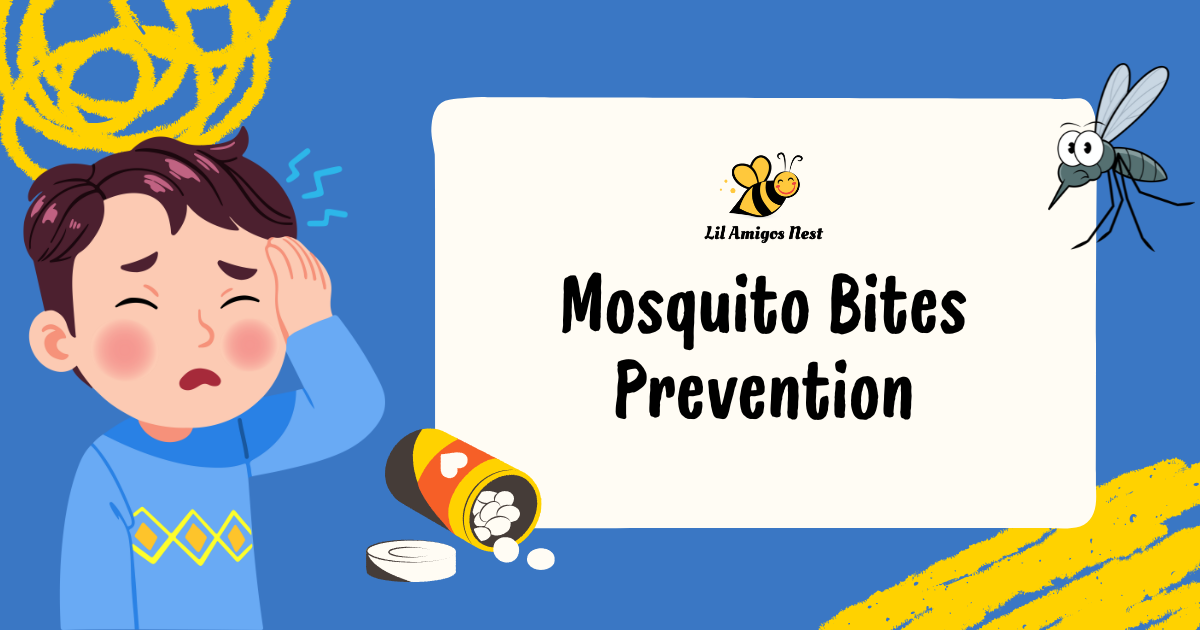
Mosquito bites may look like a small problem, but for babies, they can cause big discomfort. A baby’s skin is soft and sensitive, which makes mosquito bites itchier and more irritating. In some cases, babies can also develop a mosquito bite allergy, leading to redness, swelling, or rashes. For new parents searching for trusted parenting tips on a reliable parent portal, mosquito protection is an important part of everyday baby care and baby safety.
Protecting your baby from mosquito bites is not about fear. It is about awareness and smart prevention. Mosquitoes can spread infections, disturb your baby’s sleep, and cause constant scratching that may lead to skin infections. With the right habits, safe products, and simple home practices, parents can reduce mosquito bites effectively and keep their baby comfortable and protected.
This guide will walk you through practical, safe, and parent-approved ways to protect your baby from mosquito bites, both indoors and outdoors.
Why Mosquito Bites Are a Bigger Concern for Babies
Babies cannot express discomfort clearly. A mosquito bite that seems minor to adults can cause hours of crying for a baby. Their immune system is still developing, which means reactions can be stronger.
Common issues caused by mosquito bites in babies include:
- Intense itching and redness
- Swelling around the bite area
- Skin rashes or irritation
- Disturbed sleep
- Risk of infection if the baby scratches
In rare cases, babies may show signs of a mosquito bite allergy, such as large, swollen patches or warmth around the bite. This is why prevention is always better than treatment.
Use Mosquito Nets: The Safest First Layer of Protection
Mosquito nets are one of the safest and most trusted ways to protect babies. They create a physical barrier without using chemicals.
Best ways to use mosquito nets:
- Use a fine mesh net over the baby’s crib or cot
- Ensure the net does not touch the baby’s face
- Tuck the net securely under the mattress
- Use stroller mosquito nets when going outdoors
Mosquito nets are especially useful during sleep time, when babies are most vulnerable to bites.
Dress Your Baby in Protective Clothing
Clothing plays a big role in mosquito protection. Covering your baby’s skin reduces the chances of bites.
Clothing tips for mosquito safety:
- Choose full-sleeve cotton clothes
- Prefer light colors as mosquitoes are attracted to dark shades
- Avoid tight clothing that can irritate the skin
- Use socks to protect feet and ankles
Cotton fabric allows airflow and keeps your baby comfortable, even in warm weather.
Keep Your Home Mosquito-Free
A clean home environment is key to baby safety. Mosquitoes breed in stagnant water, so prevention starts indoors.
Simple home practices:
- Do not allow water to collect in pots, trays, or buckets
- Clean water coolers and flower vases regularly
- Keep windows and doors closed during early morning and evening
- Use window mesh to block mosquito entry
Regular cleaning reduces mosquito breeding and improves overall baby care at home.
Use Baby-Safe Mosquito Repellents Carefully
Not all mosquito repellents are safe for babies. Always choose products specially made for infants.
What to look for:
- Baby-safe, chemical-free formulas
- Mild herbal or plant-based repellents
- Products approved by pediatric standards
Important safety tips:
- Never apply repellent on hands, eyes, or mouth
- Do not apply to broken or irritated skin
- Use the smallest amount needed
- Always read the label before use
If your baby is under six months, it is best to avoid topical repellents and focus on nets and clothing instead.
Natural Ways to Reduce Mosquito Presence
Many parents prefer natural solutions as part of gentle baby care.
Safe natural methods:
- Keep basil or neem plants near windows
- Use camphor or clove water in the corners of the room
- Ensure good ventilation and airflow
- Avoid strong fragrances that attract insects
Do not apply essential oils directly on your baby’s skin unless advised by a doctor.
Maintain Proper Hygiene for Your Baby
Good hygiene reduces skin reactions if a mosquito bite occurs.
Hygiene tips:
- Bathe your baby daily using mild soap
- Keep the skin clean and dry
- Trim baby’s nails to prevent scratching
Change clothes if the baby sweats
Clean skin heals faster and reduces irritation caused by mosquito bites.
Protect Your Baby During Outdoor Time
Outdoor walks are important, but mosquito exposure increases outside.
Outdoor protection tips:
- Avoid parks during early morning and evening
- Use stroller nets
- Dress your baby in covered clothing
- Avoid areas with standing water or plants
Short, well-timed outdoor activities help balance baby safety and healthy exposure.
What to Do If Your Baby Gets a Mosquito Bite
Despite all precautions, bites can still happen. The key is calm and correct care.
Immediate steps:
- Wash the area with clean water
- Apply a cold compress to reduce swelling
- Use baby-safe soothing lotion if advised
- Keep the area clean and dry
When to see a doctor:
- If swelling increases
- If there is pus or fever
- If signs of mosquito bite allergy appear
- If your baby seems unusually irritable
Never apply adult creams or home remedies without medical advice.
Signs of Mosquito Bite Allergy in Babies
Some babies react more strongly to bites.
Common signs include:
- Large red swollen patches
- Warmth around the bite
- Continuous crying due to discomfort
- Rash spreading beyond the bite area
If these symptoms appear, consult a pediatrician immediately.
Seasonal Tips for Mosquito Protection
Mosquito activity increases during monsoon and humid weather.
Extra care during high-risk seasons:
- Use nets even during daytime naps
- Increase cleaning frequency
- Avoid open windows after sunset
- Check hidden corners for stagnant water
Seasonal awareness is a smart parenting tip that keeps babies safe year-round.
Creating a Mosquito-Safe Sleep Environment
Sleep is essential for a baby's growth. Mosquito bites can disturb rest.
Sleep safety tips:
- Always use a mosquito net at night
- Keep bedding clean
- Avoid using strong sprays near the crib
- Maintain a comfortable room temperature
A peaceful sleep environment supports healthy development.
Common Mistakes Parents Should Avoid
Even caring parents sometimes make small mistakes.
Avoid these:
- Using adult mosquito sprays for babies
- Applying oils directly on baby's skin
- Leaving windows open at dusk
- Ignoring small water collections
Awareness helps prevent unnecessary risks.
Frequently Asked Questions
Are mosquito bites dangerous for babies?
Most mosquito bites are not dangerous but can cause discomfort and irritation. Prevention is important for baby safety.
Can mosquito bites cause fever in babies?
Yes, in some cases, mosquito bites may lead to infections that cause fever. Always monitor symptoms.
Is mosquito repellent safe for newborns?
For newborns, physical protection like mosquito nets is safest. Always consult a doctor before using repellents.
How long does a mosquito bite last on a baby?
Most bites heal in 2 to 5 days if not scratched or infected.
Protecting your baby from mosquito bites is a daily part of responsible baby care. With simple habits, safe products, and awareness, parents can reduce risks significantly. You do not need complicated solutions. Consistency and attention are enough.
As shared on many trusted parent portal resources, mosquito prevention is not just about comfort; it is about health, safety, and peace of mind. When parents stay informed and proactive, babies stay happy, healthy, and protected.


-
Wooden Toys for Two Year Olds
 October 13, 2026
 -
Wooden Toys for Three Year Olds
 October 13, 2026
 -
Buy Onesies for Babies Online in India at the Best Prices
 October 13, 2026
 -
Buy Wooden Baby Storage Online India: A Smart Addition to Every Nursery
 October 12, 2026
 -
Romantic Shayaris for Couples: Sweet Hindi Lines
 October 12, 2026
Please complete your information below to login.
Sign In
Create New Account