













How to Choose the Right Crib for Your Baby

Choosing the right sleeping space is one of the most important decisions when preparing for your little one’s arrival. With so many cribs for babies available, parents may wonder what makes one crib a better choice than another. From the material and safety features to adjustability, cleaning and durability, there are several things worth considering before bringing a crib home.
A good crib should provide a comfortable and practical sleeping space while also fitting naturally into your home. Whether you are preparing a nursery, setting up a playroom or looking for a versatile baby bed, understanding the important features can help you make a more informed choice.
What Should You Look for in a Baby Crib?
When choosing baby cribs, focus on safety, durability, ease of use and the materials used to make the product. A well-designed crib should be sturdy enough for everyday use, easy for parents to maintain and comfortable for the baby.
Here are some important factors to consider before choosing a crib for your baby.
1. Choose a Safe and Sturdy Material
The material of a crib plays an important role in its durability and everyday use. Wooden cribs are a popular choice because they can offer a sturdy structure while adding a warm and natural look to the nursery.
When selecting a wooden crib, look for high-quality plywood and finishes that are suitable for children's furniture. FSC-certified Birch plywood is one option that can provide both durability and a more responsible approach to sourcing wood.
A crib made using marine-grade, FSC-certified Birch plywood can be suitable for families looking for a strong yet lightweight furniture option. The sturdy construction also makes it practical for everyday use.
2. Consider Adjustable Height
Babies grow quickly, so an adjustable crib can be a practical choice for parents. Instead of choosing a sleeping space that works only for a short period, look for a design that can adapt as your child grows.
For example, an adjustable crib can offer different seat or mattress height positions. A crib with adjustable levels of approximately 8, 13 and 18 inches can provide flexibility for different stages of use.
This type of adjustability can also make it easier for parents to access their baby when needed. Before purchasing, always check the manufacturer's recommended age, weight limits and instructions for adjusting the crib safely.
3. Look for Rounded Corners and Child-Friendly Design
Safety should always be a priority when choosing cribs and cots. Babies are naturally curious and become increasingly mobile as they grow, so furniture designed with child-friendly details can make a difference.
Rounded corners can help reduce sharp edges around the furniture. A simple, practical design can also make the crib easier to use while keeping the nursery looking neat.
When comparing bed for babies options, look beyond appearance and check details such as construction, joinery, corners and the overall stability of the product.
4. Choose Non-Toxic Finishes
Your baby will spend a significant amount of time around their crib, so it is worth paying attention to the paints, polishes and finishes used on the furniture.
For a nursery, parents may prefer products made with non-toxic finishes and without volatile organic compound (VOC) paints and polishes. Choosing furniture with a child-conscious finish can help you create a more comfortable environment for your little one.
When shopping for baby cribs, always check the product specifications to understand what type of paint, polish or coating has been used.
5. Think About Cleaning and Maintenance
Babies can make unexpected messes, from milk spills to food and other everyday accidents. This is why easy-to-clean furniture can make life simpler for parents.
Look for a crib with surfaces that can be cleaned easily using a soft, damp cloth. Simple maintenance can help keep the crib looking clean without requiring complicated cleaning products or routines.
An easy-to-maintain baby bed is especially useful when it is being used every day.
6. Check How Easy It Is to Assemble
Large nursery furniture can sometimes be difficult to transport and assemble. A flat-pack crib can make transportation and storage more convenient.
Some thoughtfully designed cribs use an interlocking joinery technique, allowing different parts to fit together without complicated assembly. This can also make the furniture easier to dismantle when needed.
However, even when a crib is designed for simple assembly, adult assembly should be carried out carefully according to the manufacturer's instructions. Make sure every joint and component is securely fitted before using the crib.
7. Consider Weight and Portability
A crib does not always have to be heavy to be sturdy. Lightweight construction can make it easier for adults to move or reposition the furniture when required.
This can be useful when setting up a nursery, rearranging a playroom or creating a flexible space for your child. A lightweight crib can also be easier to handle during assembly or when moving homes.
8. Look at the Crib's Sustainability
For environmentally conscious parents, sustainability can be another factor to consider when choosing cribs for babies.
Look for furniture made using responsibly sourced materials, such as FSC-certified plywood. FSC certification indicates that the wood comes from sources that follow established responsible forestry standards.
Eco-conscious construction methods and recycled packaging can also help reduce the environmental impact associated with manufacturing and packaging children's furniture.
Choosing durable furniture can also be a practical sustainability consideration because products designed for long-term use may not need to be replaced as frequently.
9. Choose a Design That Fits Your Space
Baby furniture does not have to look out of place in your home. Modern wooden cribs can combine functionality with a simple aesthetic that works in nurseries, bedrooms, playrooms and other children's spaces.
Before purchasing, consider the available space in your room and measure the area where you plan to place the crib. Make sure there is enough room to move around the furniture comfortably and access the baby easily.
A simple design can also work well with different décor styles, making it easier to create a cohesive nursery or children's room.
10. Check the Recommended Age Range
Not every crib is designed for every stage of childhood. Always check the manufacturer's recommended age range before purchasing.
Some versatile designs are suitable for babies and young children across multiple stages. For example, a crib designed for children from 0 to 5 years can offer extended use compared with furniture intended only for newborns.
However, parents should always follow the manufacturer's age, weight and usage recommendations and make sure the crib is appropriate for the child's current developmental stage.
Why Choose a Versatile Crib?
When preparing your list of newborn essentials, it can be tempting to buy separate furniture for every stage. A versatile crib can be a more practical option when it is designed to adapt to a growing child.
An adjustable, lightweight and durable crib can provide flexibility while maintaining a simple appearance. Features such as easy assembly, rounded corners, non-toxic finishes and easy cleaning can also make everyday use more convenient for parents.
Where Can You Buy a Baby Crib?
Once you know what features to look for, you can compare different options based on your family's needs, available space and budget. Parents can visit a baby store near me to see furniture in person or explore trusted online stores for more options.
If you prefer shopping from home, you can also buy crib online after checking the product dimensions, recommended age, materials, safety information and assembly requirements.
Frequently Asked Questions About Baby Cribs
What should I look for when buying a baby crib?
Look for a sturdy construction, child-friendly design, rounded corners, suitable materials, non-toxic finishes, easy cleaning and an appropriate age range. Adjustable features can also make a crib more versatile as your child grows.
Are wooden cribs a good choice for babies?
Wooden cribs can be a practical choice because they can provide a sturdy structure while complementing different nursery styles. Always check the type of wood, finish, construction and safety specifications before purchasing.
What age is a baby crib suitable for?
The suitable age depends on the specific crib. Some designs are made for newborns and babies, while others can be used for young children as they grow. Always follow the manufacturer's recommended age and usage guidelines.
Are adjustable cribs useful?
Yes. Adjustable cribs can provide flexibility as your child grows. Different height positions can also make it easier for parents to access the baby. Check the manufacturer's instructions to ensure adjustments are made correctly.
What are some important newborn essentials besides a crib?
Newborn essentials can include a suitable sleeping space, fitted bedding, baby clothing, feeding supplies, diapers, changing essentials and other items based on your family's needs. When purchasing any nursery product, prioritise safety, suitability and ease of use.
Final Thoughts
Choosing the right crib is about more than finding a beautiful piece of nursery furniture. The ideal crib should combine safety, durability, practicality and comfort while fitting your family's lifestyle and space.
From FSC-certified Birch plywood and non-toxic finishes to adjustable heights, rounded corners, lightweight construction and easy cleaning, these details can make a crib more practical for everyday parenting.
Take the time to compare the materials, dimensions, recommended age, assembly requirements and safety features before making your decision. A well-designed crib can become an important part of your child's early years while giving parents a practical and comfortable sleeping solution.


-
Wooden Toys for Two Year Olds
 October 13, 2026
 -
Wooden Toys for Three Year Olds
 October 13, 2026
 -
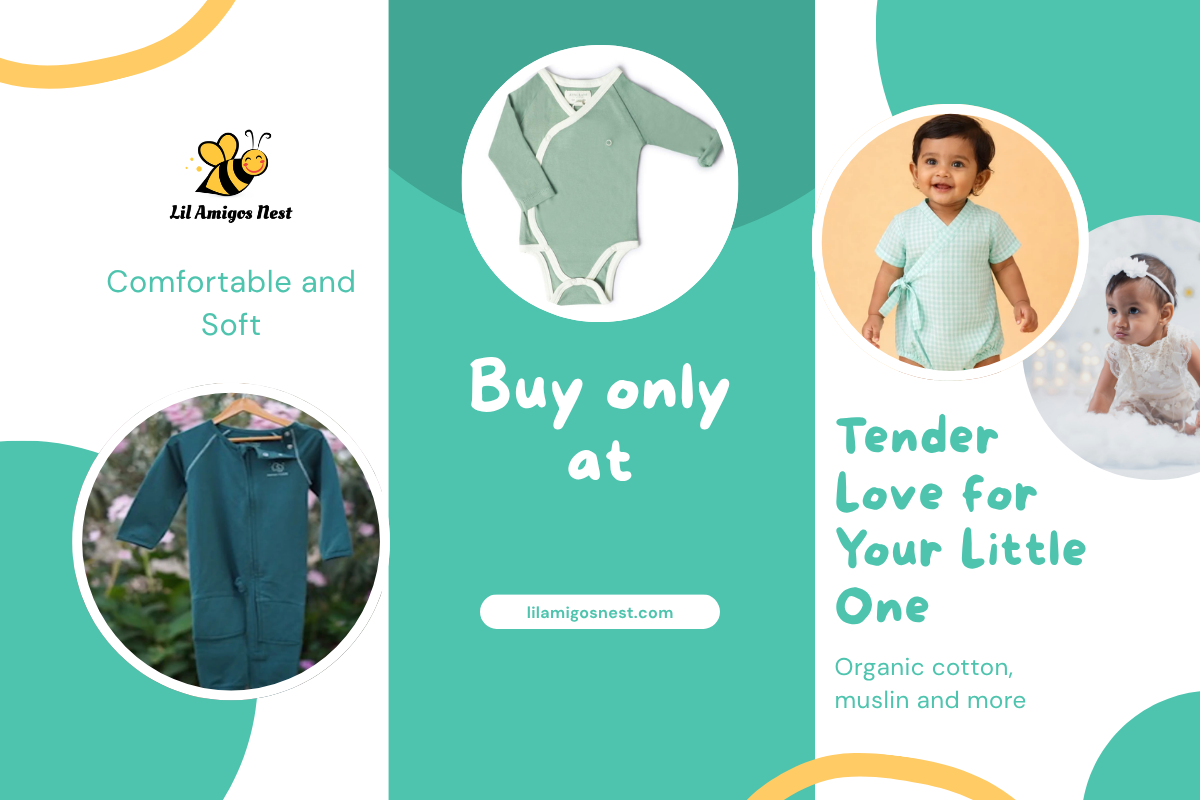
Buy Onesies for Babies Online in India at the Best Prices
 October 13, 2026
 -
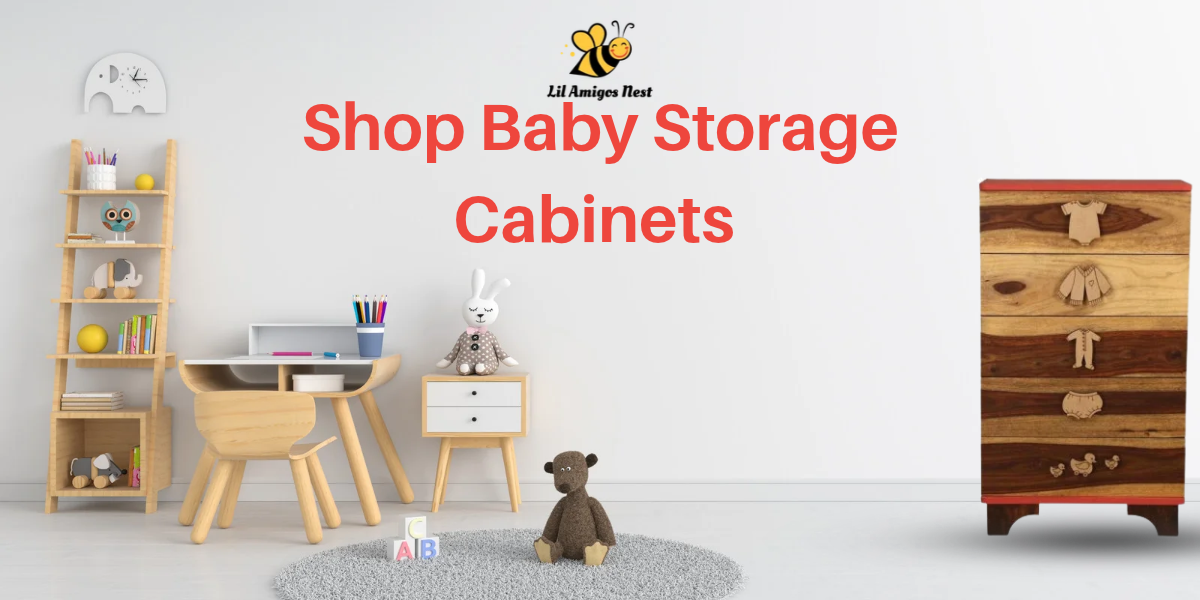
Buy Wooden Baby Storage Online India: A Smart Addition to Every Nursery
 October 12, 2026
 -
Romantic Shayaris for Couples: Sweet Hindi Lines
 October 12, 2026
Please complete your information below to login.
Sign In
Create New Account