













Top Baby Skin Care Practices and Products in India

A newborn's skin is not a smaller version of yours. It is thinner, loses moisture faster and reacts quickly to soaps, sweat, heat and rough fabric. The good news is that you do not need a long routine. Five habits, done consistently, prevent most rashes and dryness: a short lukewarm bath, moisturising right after, gentle massage, a clean and dry diaper area, and soft cotton clothing.
India adds its own challenges: hot summers, humid monsoons and dry winters. This guide gives you a step-by-step baby skin care routine, a season-by-season plan, and a simple way to choose safe products such as baby lotion, cream and oil.
Why Baby Skin Needs Special Care
Baby skin is noticeably thinner than adult skin, so it absorbs products faster and loses water more easily. That is why dry patches often show up first on the cheeks, arms and legs.
The skin barrier, the outer layer that locks moisture in and keeps irritants out, is still developing during the first year. When it is weak, things like sweat, saliva, a wet diaper or scratchy fabric can quickly cause redness or rashes.
Key takeaway: gentle products, a soft touch and consistency matter more than owning ten different creams.
Baby Bath Routine: Short, Lukewarm and Gentle
For most babies, a bath every day or every second day is enough. In hot weather, a daily bath keeps sweat rashes away.
- Use lukewarm water. Test with your elbow; it should feel comfortable, never hot.
- Keep it to 5 to 10 minutes. Long baths dry out the skin.
- Use a mild, tear-free, fragrance-light baby wash. Choose a soap-free formula.
- Clean the folds. Neck, underarms, elbows and behind the knees trap sweat and milk.
- Pat dry, do not rub. Use a soft cotton towel.
Until the umbilical cord stump falls off, give a soft sponge bath. After that, a tub bath is fine.
Moisturising: The Habit That Makes the Biggest Difference
Apply moisturiser within about three minutes of drying your baby, while the skin is still slightly damp. This helps lock in water.
- Lotion: light, non-sticky and quickly absorbed. Good for daily use and for summer and monsoon.
- Cream: thicker and richer. Good for winter, dry cheeks, elbows and knees.
- Ingredients to look for: shea butter, oats, aloe or other soft, plant-based formulas.
- Always patch test on the inner thigh before using a new product on the whole body.
Wondering which formula to pick? You can compare options in this collection of baby lotions and check the ingredient list against the safety checklist later in this guide.

Baby Massage: A Time-Tested Indian Practice
Massage is a much-loved part of baby care in India. It helps your baby relax, supports sleep, strengthens bonding and keeps skin soft.
How to massage safely
- Choose a calm time, ideally 30 minutes before the bath and when your baby is not hungry.
- Warm a small amount of baby-safe oil in your palms.
- Use slow strokes from the chest outward, then down the arms and legs.
- Keep pressure very light.
- Stop if your baby cries or seems uncomfortable.
Use oils made for babies, since they are formulated for sensitive skin. Do a patch test first and keep oil away from the face of a very young baby. Pigeon baby oil is a popular choice among Indian parents for massage; a small amount goes a long way.
Diaper Area Care: Preventing Diaper Rash
Diaper rash happens when wetness, friction and bacteria stay on the skin too long. The fix is to keep the area clean and dry.
- Change often: every 2 to 3 hours, and right away after a soiled diaper.
- Clean gently: plain water or fragrance-free, alcohol-free wipes.
- Air-dry: a few diaper-free minutes daily help.
- Use a barrier cream: a thin layer of zinc-based diaper cream protects against moisture.
- Check the size: tight diapers rub the skin and trap heat.
If you use cloth diapers, wash them well and dry them fully in the sun, because damp cloth irritates the skin.
Clothes and Laundry: Soft Cotton Wins
Breathable cotton is the best fabric for India's warm climate. Synthetics trap heat and can cause prickly heat and itching.
- Wash baby clothes separately with a gentle, baby-safe detergent.
- Rinse twice so no soap residue remains.
- Skip strong fabric softeners and avoid scratchy tags or rough inner embroidery.
Baby Skin Care by Season in India
| Season | Main skin risk | What to do |
|---|---|---|
| Summer | Heat rash, sweat | Light cotton clothes, cool bath, light lotion, keep folds dry, ventilate the room |
| Monsoon | Fungal infections, damp rashes | Dry folds well after every bath, use fully dry clothes and towels |
| Winter | Dry, chapped skin | Moisturise twice a day, use a richer cream, avoid very hot baths, protect lips and cheeks |
In every season, keep your baby out of harsh midday sun. Babies under six months should stay in the shade, and doctors usually advise against sunscreen for very young infants. Light clothing and a soft cap are safer.
Best Baby Skin Care Products to Have
A small kit is enough. Here is what to consider and when to use each product.
| Product | Best for | Use when |
|---|---|---|
| Baby lotion | Daily moisture | After every bath, all seasons |
| Baby cream | Dry patches, cold weather | Winter, dry cheeks, hands and legs |
| Baby oil | Massage | Before bath, once a day |
| Diaper cream | Rash prevention | At every diaper change if skin is red |
| Lip balm | Dry, cracked lips | Winter and air-conditioned rooms |
1. Gentle Baby Lotion
The hero of any routine. Pick one that is light, fast-absorbing and free from harsh chemicals. Browse the full range of baby lotions to compare formulas.
2. Baby Cream for Extra Protection
A thicker cream suits dry patches, cold weather and rash-prone areas. Pigeon baby cream is a familiar choice for many Indian families. Apply a thin layer on the cheeks, hands and legs when skin feels dry.
3. Baby Oil for Massage
A baby-safe oil, such as Pigeon baby oil, makes massage time smooth and relaxing. Use only a little.
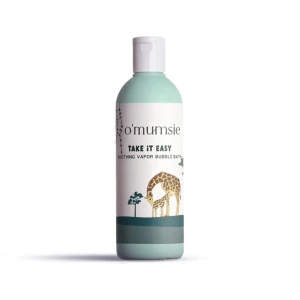
4. Natural Care from O Mumsie
If you prefer simple, natural-feeling products, see the O Mumsie brand page for gentle options for everyday use.
5. Soft Lip Balm
Baby lips dry out in winter and in air-conditioned rooms. This unicorn lip balm is easy to carry in a diaper bag.

Safe Product Checklist
- Choose products made specially for babies.
- Avoid strong fragrance, alcohol and harsh preservatives.
- Look for dermatologically tested or paediatrician-approved labels.
- Check the expiry date and buy from trusted sellers.
- Introduce one new product at a time to spot reactions.
Common Baby Skin Care Mistakes to Avoid
- Using adult products on babies. They are too strong for baby skin.
- Long or hot baths. These strip natural oils.
- Using talcum powder. Fine dust can irritate skin and is not good for a baby's lungs, so many doctors suggest skipping it.
- Too many products at once. A simple routine is safer and easier to track.
- Skipping the patch test.
- Applying kajal or home remedies on delicate skin. Ask your doctor before trying traditional pastes or mixtures.
- Ignoring skin folds. Trapped moisture is where rashes begin.
When to See a Doctor
Most baby skin problems are mild and improve with good care. Talk to your paediatrician if you notice:
- A rash that spreads quickly
- Red patches with oozing or pus
- A rash with fever
- Blisters
- Very dry, cracked skin that does not improve with regular moisturising
- Constant scratching or sleep disturbed by itching
Early advice stops small problems from becoming bigger ones.
Frequently Asked Questions
How often should I bathe my newborn in India?
Every day or every second day is usually enough. In very hot weather a daily bath helps prevent sweat rashes.
Which is better for babies, lotion or cream?
Lotion is lighter and suits summer and monsoon. Cream is richer and suits winter and very dry patches.
Is baby oil massage safe every day?
Yes, for most babies, when you use a baby-safe oil, a light touch and a patch test first. Avoid the face of a very young baby.
Should I use baby powder?
Many doctors advise skipping talcum powder because it can irritate skin and the fine dust is not good for the lungs.
Can I use sunscreen on my baby?
For babies under six months, doctors usually advise shade and light clothing instead of sunscreen. Ask your paediatrician for older babies.
How do I treat diaper rash at home?
Change diapers often, clean with water, let the skin air-dry and apply a thin layer of zinc-based barrier cream. See a doctor if it spreads, oozes or comes with fever.
Healthy baby skin comes from a few easy habits: a short lukewarm bath, moisturiser applied while the skin is damp, gentle massage, a clean and dry diaper area and breathable cotton clothes. Adjust your routine with the seasons, choose baby-safe products and trust your instincts as a parent.
Ready to build your baby's skin care kit? Explore baby lotions or the O Mumsie range to get started.
This article is for general information and does not replace advice from your child's doctor.
Please complete your information below to login.
Sign In
Create New Account