





Is Mehendi (Henna) Safe for Kids?
Festivals, weddings, school functions, and family celebrations often bring joy, colors, and traditions. One beautiful tradition many families love is applying henna. But as parents, we always pause before trying anything new on our child’s skin. Questions naturally come up. Is henna for kids safe? Can it cause allergies? Should we avoid it completely?
If you often read parenting tips on your favorite parent portal or seek trusted parenting advice from elders and doctors, you are already doing the right thing. When it comes to henna mehendi for kids, the answer is simple: natural henna is usually safe, but only when chosen carefully and used correctly. In this guide, we will break it down clearly so you can make a confident decision for your child.
What Is Mehendi or Henna?
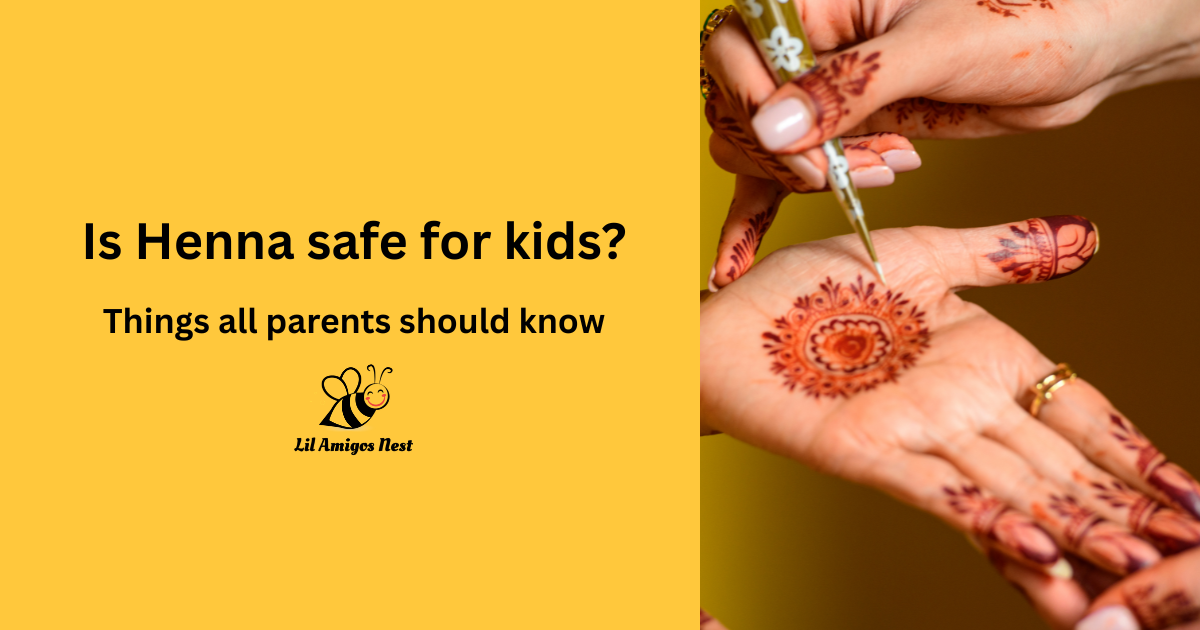
Henna comes from the leaves of the henna plant, also known as Lawsonia inermis. The leaves are dried, powdered, and mixed with water or natural liquids to create a paste. This paste stains the skin temporarily and creates beautiful designs.
Natural henna gives an orange to reddish-brown stain. It has been used safely for centuries in many cultures for body art, hair care, and even cooling the skin in hot climates.
Is Natural Henna Safe for Kids?
In most cases, pure and natural henna is safe for children. It is plant-based and does not contain harsh chemicals when prepared traditionally. Many families have applied mehendi on children during festivals for generations without problems.
However, children have softer and more sensitive skin than adults. This means you must be extra careful about the quality of henna you choose. The safety depends less on henna itself and more on what is mixed into it.
The Real Concern: Black Henna
While natural henna is generally safe, “black henna” is where problems begin. Black henna often contains a chemical called PPD (para-phenylenediamine). This chemical is added to make the color darker and develop faster.
PPD can cause serious allergic reactions, especially in children. Reactions may include:
- Redness and itching
- Burning sensation
- Blisters
- Skin swelling
- Long-term scars
Some children may develop permanent skin sensitivity after exposure. That is why most doctors and skin experts strongly warn against using black henna on kids.
If the stain turns very dark within one hour, it is likely not natural henna.
How to Choose Safe Henna for Kids
As parents, our role is not to avoid everything, but to choose wisely. Here is how you can ensure safer use of henna mehendi for kids:
1. Buy From Trusted Sources
Purchase henna powder from a reliable store or brand. Check that the ingredient list mentions only natural henna leaves.
2. Avoid Instant Cones With Unknown Ingredients
Street-side cones may look attractive, but you cannot always verify what is inside. It is better to buy sealed, branded cones with ingredient details.
3. Do a Patch Test
Before applying a full design, apply a small dot on your child’s inner arm. Wait 24 hours. If there is no redness, itching, or swelling, it is likely safe.
4. Keep It Simple
For small children, avoid large or heavy designs. A small flower or simple pattern is enough. Less coverage means less risk.
5. Avoid Adding Chemicals
Do not mix henna with kerosene, hair dye, or unknown oils to make the stain darker. Natural ingredients like lemon juice and sugar are safer options.
At What Age Can Kids Use Henna?
There is no strict age rule, but most experts suggest avoiding henna for babies and toddlers under two years. Their skin barrier is still developing.
For older children, occasional use during festivals is usually fine, provided the henna is natural and tested first.
Possible Side Effects to Watch For
Even natural products can cause mild reactions in rare cases. After applying henna, observe your child for:
- Continuous itching
- Rash around the design
- Swelling
- Unusual discomfort
If any of these happen, gently wash the area with mild soap and water. If symptoms worsen, consult a doctor immediately.
Benefits of Natural Henna
When used safely, henna can actually have benefits:
- It has natural cooling properties.
- It does not penetrate deep into the skin.
- It fades naturally within 1 to 2 weeks.
- It encourages cultural bonding and creativity.
For many children, applying mehendi is not just decoration. It becomes a memory. Sitting with cousins, listening to family stories, waiting for the color to darken. These small traditions build emotional warmth.
Should Kids With Sensitive Skin Avoid Henna?
If your child has eczema, chronic skin allergies, or very sensitive skin, it is better to consult a pediatrician first. Children with known dye allergies should avoid henna completely unless cleared by a doctor.
When in doubt, skipping it is always safer than taking a risk.
Is Henna Safe for School Events?
Many schools allow simple mehendi during cultural programs. If your child wants henna for a school event:
- Inform the teacher.
- Use natural henna only.
- Keep the design small and neat.
- Apply it at least one day before the event.
This gives time to monitor for any reaction.
How to Talk to Kids About Safe Choices
This is a good opportunity to teach children about safe body practices. Explain to them why you say no to black henna. Teach them that not everything that looks attractive is safe.
When we guide children with calm reasoning instead of fear, they grow into careful decision-makers.
Common Myths About Henna for Kids
Myth 1: All Henna Is Natural
Not true. Many products labeled as henna contain chemicals.
Myth 2: Darker Means Better
Natural henna takes time to develop color. Instant dark stains may signal added chemicals.
Myth 3: If Adults Use It, Kids Can Too
Children’s skin reacts differently. Always test first.
Practical Parenting Advice for Festivals
Festivals are about joy, not stress. If your child wants mehendi, you do not need to panic. Just follow simple safety steps:
- Choose natural henna.
- Test before full use.
- Keep designs small.
- Watch for reactions.
These small actions reflect responsible parenting. Good parenting is not about saying no to everything. It is about making informed choices.
Is Mehendi Safe for Kids?
Yes, natural mehendi is generally safe for kids when chosen carefully and applied properly. The real danger lies in chemical-laden black henna.
As parents, our goal is balance. We protect our children, but we also let them enjoy culture, creativity, and childhood celebrations. A simple flower on their tiny hand can light up their face with happiness.
At the end of the day, safety comes from awareness. Read labels. Ask questions. Trust your instincts. Parenting is not about fear. It is about thoughtful care.
And sometimes, the safest decision is the one made with both knowledge and love.
Please complete your information below to login.
Sign In
Create New Account