













Which Toy Cars Are Best for Different Age Groups,? And WHY?
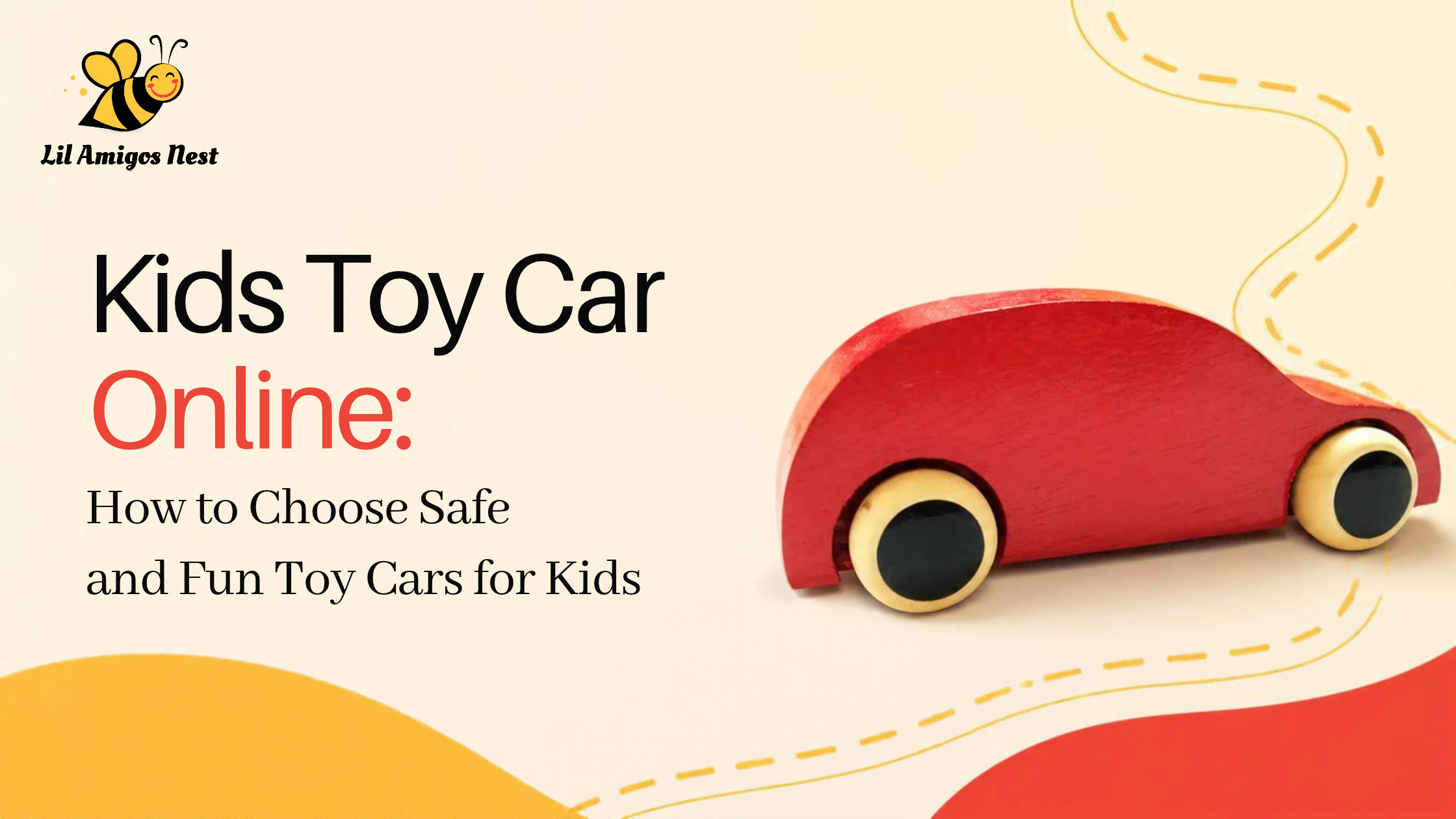
Most parents have bought a toy that got two days of excitement and then ended up at the bottom of the toy box. Toy cars are different. A good one stays in rotation for years, going from a toddler's first push-along to a tool for building cities, ramps and stories at six or seven.
The hard part is choosing. Online, every car looks sturdy and child-safe in the photos. Here's how to tell which ones are worth buying.
Start with your child's age, not the car's looks
A car that thrills a five-year-old can be frustrating, or even unsafe, for a one-year-old.
- Under 3: Look for chunky, rounded cars that are easy to grip and hard to break. Anything with tiny wheels, caps or add-ons that could come loose is best left for later. A simple test: if a part fits through a toilet-paper roll, it's a choking risk for a toddler.
- 3 to 5: Kids this age want vehicles with a purpose, like trucks that carry things, buses with passengers, and cars that fit on tracks they build themselves.
- 6 and up: Pull-back cars, racing sets and construction vehicles start to make sense, because kids can handle the mechanics and enjoy competing or building bigger worlds.
Worried about safety? Here's what to look at
Parents often worry about paint, splinters and parts coming off, and with good reason. Toddlers put everything in their mouths.
- Finish: Run your thumb over photos of the edges and joins. Rounded, smooth edges are what you want. Check whether the seller states what paint or lacquer is used.
- Construction: Solid single-piece bodies are generally more reliable for little ones than cars with many glued-on bits.
- Size: Look at the dimensions in the listing, not just the photo. Cars often look bigger online than they are.
- Reviews: Skim for comments on durability and finish, especially from parents of kids the same age as yours.
Why many parents choose wooden cars
Wooden cars have no batteries, no screens and no sounds that grate on you by day three. A child pushes the car, and everything else comes from their imagination. They're also tough. A good wooden car can survive being thrown, stepped on and carried around the house, then handed down to a younger sibling.
Handcrafted pieces, like this hand-carved wooden jeep, also have a charm that mass-produced plastic cars lack. Each one feels slightly different.
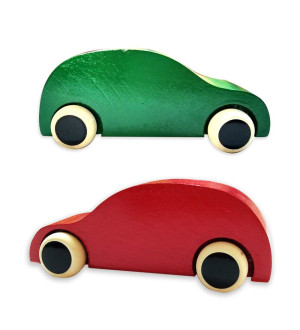
For toddlers, a pair of simple, brightly coloured cars like these Channapatna race cars is a good starting point. They're easy to hold and push, and having two means siblings or friends can play together.
Make the toy last longer than a week
A car on its own can get boring. A little setup keeps it interesting, and you don't need any extra accessories.
- Make roads from masking tape on the floor, or draw them on a sheet of cardboard.
- Build garages, bridges and parking lots out of blocks or empty boxes.
- Sort cars by colour or size, a quiet game that doubles as early maths.
- Ask questions as they play. "Where is the red car going?" can start a story that runs for twenty minutes.
Kids learn counting, colours, directions and storytelling this way, without it ever feeling like a lesson.
Buying online: a quick checklist
You can't hold the toy before you buy it, so the listing has to do the work. Before ordering, make sure you can find:
- The recommended age
- Exact dimensions
- What the toy is made of and how it's finished
- Clear photos from more than one angle
- Honest reviews, and a return or replacement policy in case it isn't what you expected
If a listing doesn't give you these basics, it's usually a sign to look elsewhere.
Common questions
What's a good first toy car for a 1 or 2-year-old?
A simple, chunky push-along car with a smooth finish and no small detachable parts. Wooden cars are a popular choice because they're sturdy and easy for small hands to grip.
Are wooden toy cars safe for toddlers?
They can be, if they're made for that age group. Look for a smooth finish, rounded edges, and clear information about the paint or lacquer used. Always follow the recommended age on the listing.
Are toy cars good for a child's development?
Yes. Pushing, steering and building tracks helps hand-eye coordination and fine motor skills. Pretend play with vehicles also supports language, creativity and problem-solving.
How do I stop my child from losing interest in toy cars?
Change how they play with them. Add a tape road, a block garage or a cardboard tunnel. Rotating toys, so some are put away for a few weeks, also makes old favourites feel new again.
If you're looking for wooden toy cars and other toys for different ages, you can browse the collection at Li'l Amigos Nest.


-
Christmas Movie List for Kids to Watch in 2026
 November 5, 2026
-
Diaper Bags for Moms in India
 November 4, 2026
-
Birthday Celebration Ideas for 1 to 5 Year Old Kids
 November 3, 2026
-
Top Baby Skin Care Practices and Products in India
 November 2, 2026
-
STEM Toys and Learning Games for Kids: Picks by Age
 October 29, 2026
Please complete your information below to login.
Sign In
Create New Account